
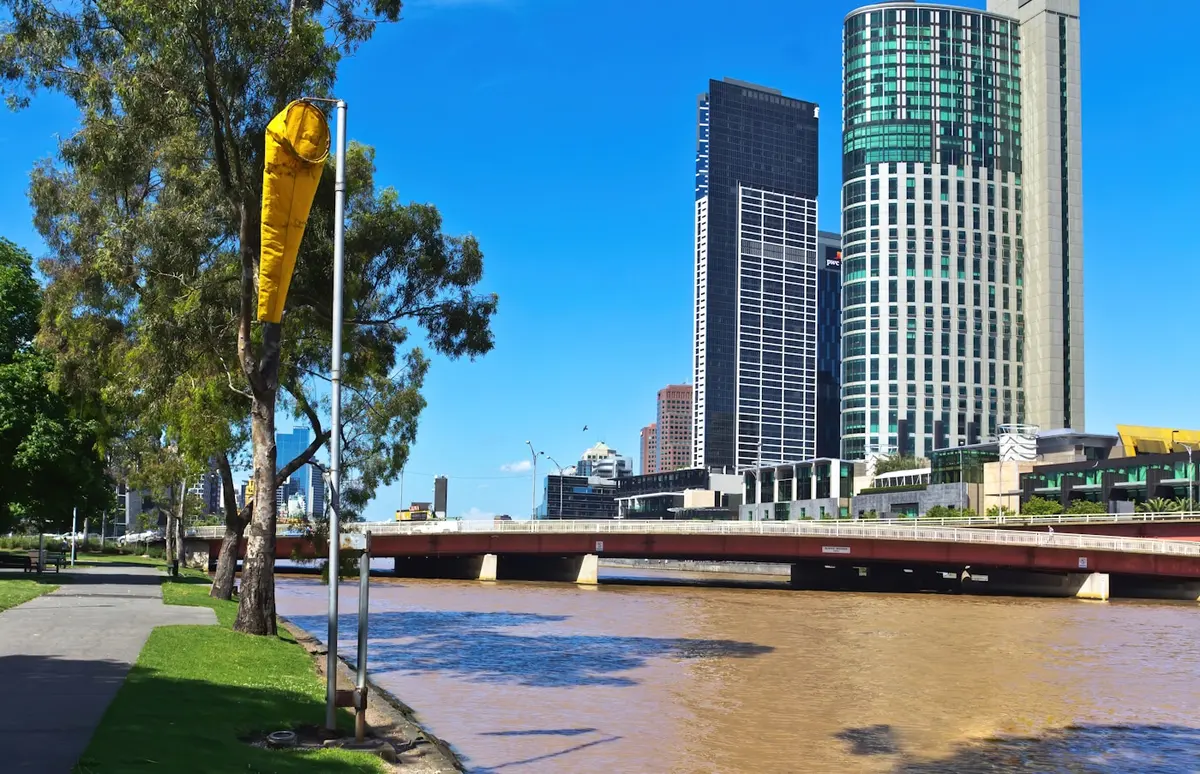
Australia City guide
Study in Melbourne
Melbourne is often the first name people search when looking at Australia. Culture, coffee and trams in the CBD grid — with world-ranked universities a short ride away.
The CBD Free Tram Zone extends to the University of Melbourne in Parkville at no cost; Monash and La Trobe students use the myki card to reach Clayton and Bundoora.
Higher cost of living
Student Visa (Subclass 500)
Up to 48 hours per fortnight while studying
You pay the institution directly — ApplySite adds no hidden student fees.
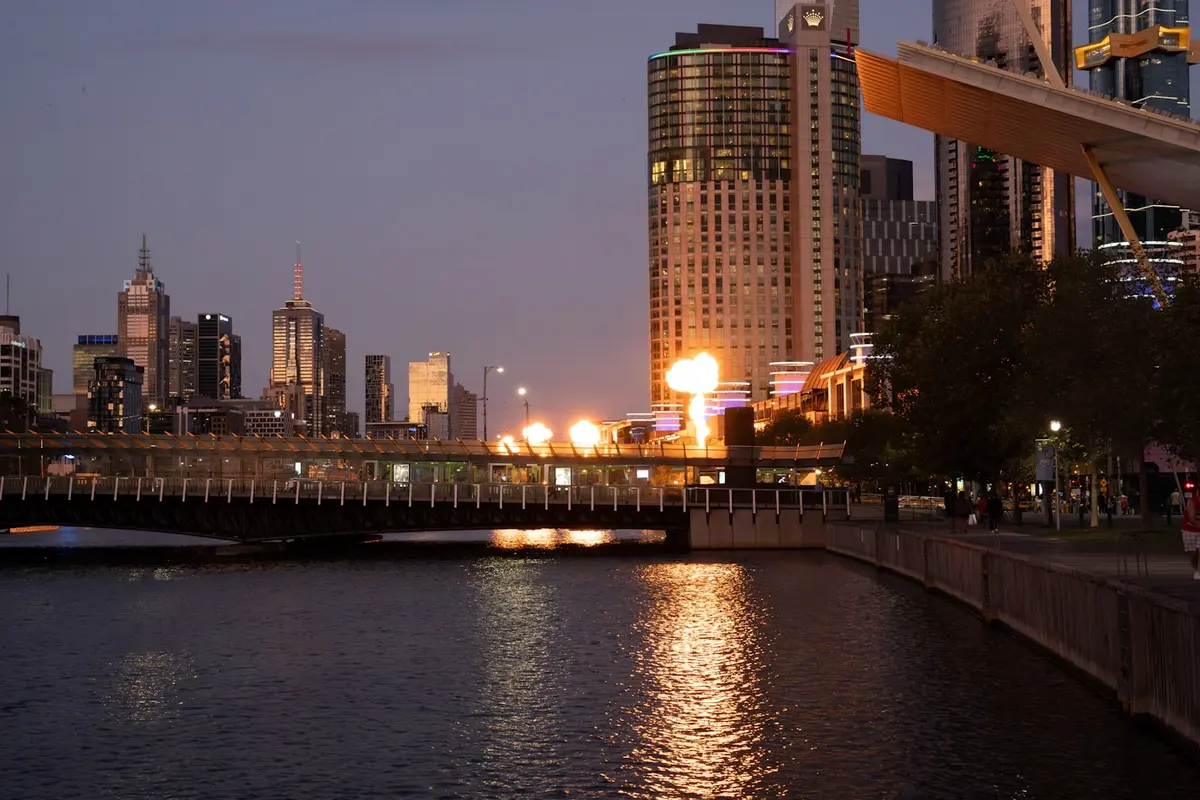
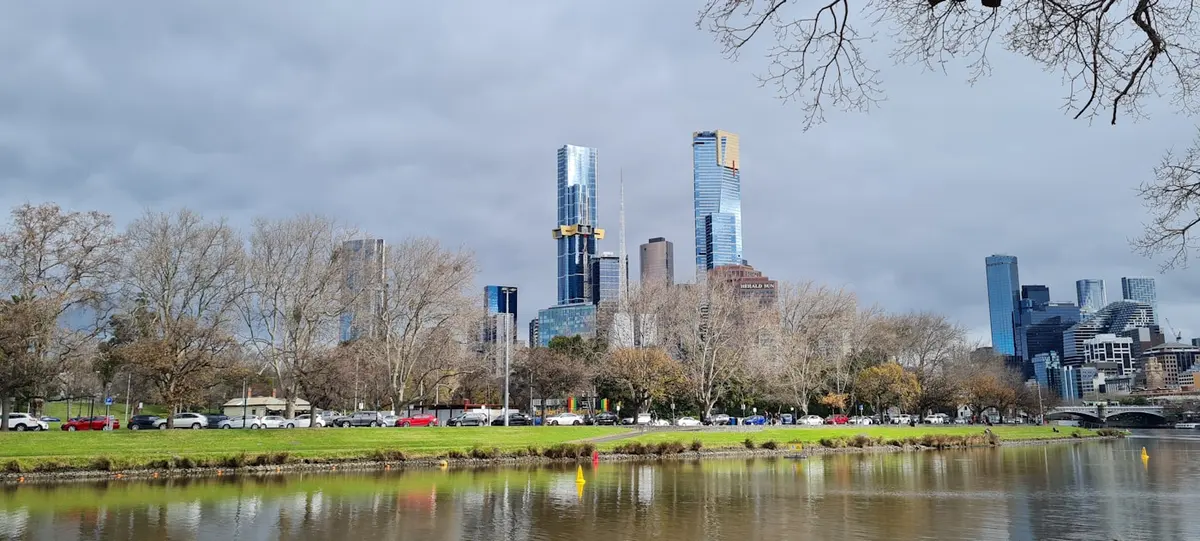
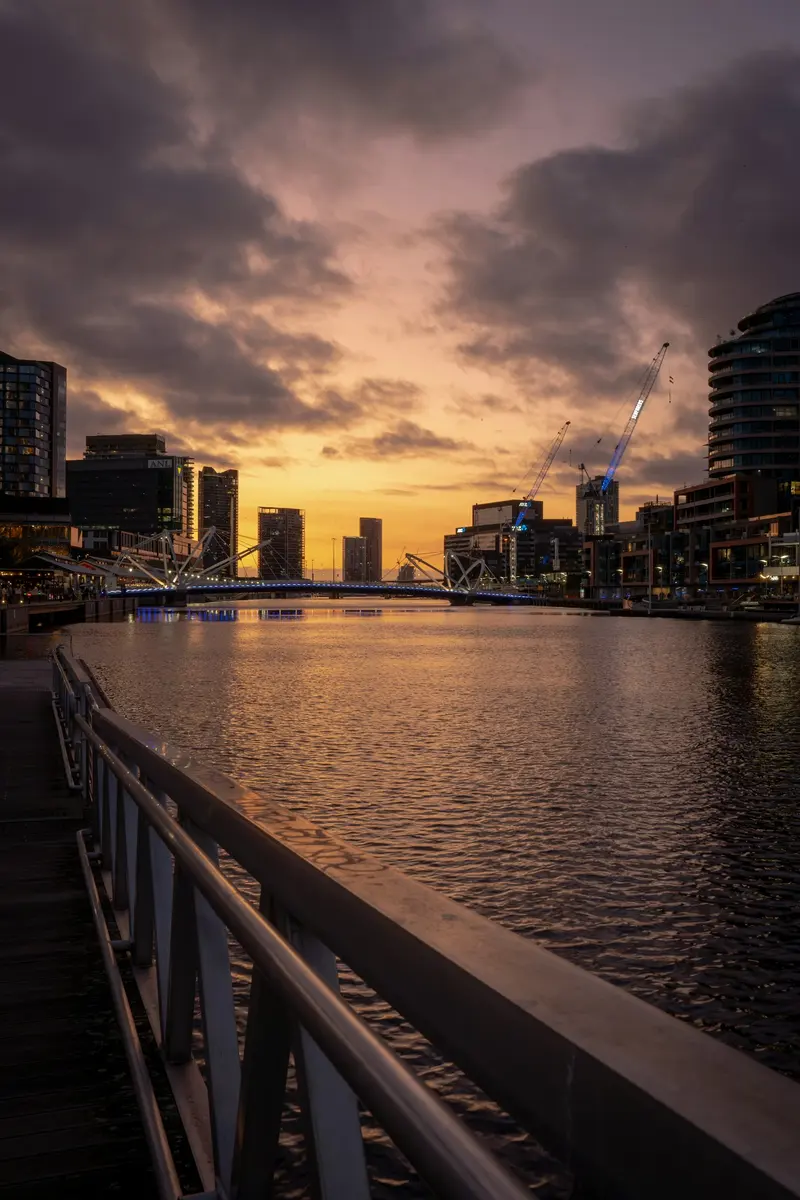
Melbourne is not a single-campus city. The University of Melbourne, Monash, RMIT and Deakin (among others) sit across inner suburbs and the CBD, so your daily commute matters as much as the brochure ranking. Two-year college pathways, English blocks before degree entry and coursework masters with industry projects all run on different calendars — check intake month, IELTS or PTE targets and whether classes are in Parkville, Clayton or the city campus.
Housing is the real budget line. Shared flats in Carlton, Brunswick or Footscray are common; purpose-built student towers near Southern Cross fill early. Trams and trains on the Myki network link most campuses; allow time for weekend markets, laneway food and winter rain when you plan part-time work.
To study in Melbourne you will typically need an Australian Student Visa (Subclass 500). You must hold a Confirmation of Enrolment (CoE), meet Genuine Student requirements, show funds for tuition and living costs, and maintain Overseas Student Health Cover (OSHC). While enrolled, you may work up to 48 hours per fortnight during term and unlimited hours in scheduled breaks — confirm conditions on your visa grant letter and the Department of Home Affairs website before accepting a job.
ApplySite lists verified institutions so you can compare entry rules, save favourites and send your application to admissions. You do not pay ApplySite — tuition and official fees go to the institution directly, with no hidden platform charges. As Melbourne programs go live on the platform, you will filter by city, level and intake in one place. Until then, use the cost table below, read the Australia country guide for national visa steps, and contact us if you already have a shortlist of schools.
City guide
Why students choose Melbourne
- The CBD Free Tram Zone extends to the University of Melbourne in Parkville at no cost; Monash and La Trobe students use the myki card to reach Clayton and Bundoora. Melbourne operates the largest tram network in the southern hemisphere.
- Mixed academic routes: languages, diplomas and degrees in Melbourne
- Side-by-side comparison with other Australia cities on ApplySite
- Program catalog in Melbourne expanding at launch
Education
Types of institutions
Universities and higher education
Institutions with their own admissions in Melbourne; check language of instruction and intake dates.
Colleges and vocational training
Applied one- to three-year diplomas, often with local placements.
Language schools
Intensive courses before academic study or to raise language scores.
Programs
What you can study in Melbourne
Programs are published in stages at launch. Use the links below to explore the country catalog or speak with an advisor.
Catalog expanding at launch
Languages in Melbourne
Language schools and intensive courses in Melbourne to level up before college or university in Australia.
See programs →Catalog expanding at launch
Undergraduate study in Melbourne
Diplomas, technical degrees and pathways with Melbourne institutions focused on local employability.
See programs →Catalog expanding at launch
Postgraduate programs in Melbourne
MBAs, master's and specializations on campus or hybrid with networking in Melbourne's ecosystem.
See programs →Student life
Student life in Melbourne runs on neighbourhoods: Southbank for riverside walks, Fitzroy for live music, Queen Victoria Market for groceries on a budget. Campus clubs, international offices and sports unions run orientation in February and July — pick up a Myki card, set up an Australian bank account and join faculty events in week one. AFL and cricket seasons fill weekends; many students cook at home because eating out in the CBD adds up quickly.
Visa and paperwork
For Melbourne you need a valid Subclass 500 student visa with a CoE from your institution, OSHC for the full study period, and documents that support a Genuine Student assessment. Processing times vary by passport country; apply after you receive your offer and before you book flights. Work rights are usually 48 hours per fortnight during study periods — verify your grant letter. Rules change; check the Department of Home Affairs site (May 2026 reference in our disclaimer below).
Guide to Australia →Immigration rules change. Information last updated May 2026 — check the official embassy or government site for your nationality.
Planning your budget
Cost of living in Melbourne
Indicative monthly ranges for one person; rent varies sharply by neighbourhood.
Indicative figures only — not a quote from institutions. Last reviewed in May 2026. Verify rent, tuition and visa fees on official sources before you budget or apply.
Australia
Other cities in Australia
FAQ
Frequently asked questions
Can I work while studying in Melbourne?
In Australia, the usual rule is: Up to 48 hours per fortnight while studying. Confirm limits on your offer letter and the official immigration site.
How much does it cost to live in Melbourne?
Housing is usually the largest expense. Use the cost table on this page as a guide; it varies by area and housing type in Melbourne.
How do I apply to a program in Melbourne?
On ApplySite you compare programs in Melbourne, save favorites and submit your application directly to the institution with admissions tracking.
Are programs already listed for Melbourne?
The catalog rolls out in phases at launch. Until then use this guide and contact our team if you already have an institution in mind.
Do I pay ApplySite?
No. ApplySite does not charge tuition or hidden student fees. Official costs (application, tuition, insurance if required) are paid directly to the institution under their published terms.
Are there hidden fees when I apply?
Browsing, comparing and submitting your application on ApplySite is free for students. Each school lists its fees; what you pay goes to the institution. We do not add undisclosed charges on top of those amounts.
Planning your move to Melbourne?
Create your account, save institutions you like and send your application when programs go live. You pay the school directly — ApplySite does not charge tuition or hidden fees.