
Study in Australia
#3 study destination worldwide
Home → Destinations → Australia Schools in this country →
Why study in Australia?
Australia blends world-class education with a unique lifestyle. Its universities rank among the best globally and post-study work options are strong.
Australia is the world’s third most popular study destination. Eight universities sit in the global top 100, and the climate is exceptional. Favourable immigration rules allow work during study and post-graduation pathways.
Australia's university system operates under a strong quality assurance model: TEQSA (Tertiary Education Quality and Standards Agency) accredits institutions, and the Australian Qualifications Framework (AQF) standardizes qualification levels. This provides meaningful security around international degree recognition — a legitimate concern for Latin Americans planning to return home or revalidate credentials. In practice, Australian degrees from Group of Eight universities are widely recognized in most Latin American countries and by international organizations.
For Latin American students, Australia also offers an interesting cultural aspect: Australian society has a direct and relatively informal relationship with newcomers — there's less social barrier to forming local friendships than in some European countries, and campus environments (especially in cities like Brisbane or Adelaide) tend to be integrating. Spanish has a growing presence in the Australian economy through tourism and Latin American market links, which in sectors like tourism, education, and Latin American-facing business can be a professional asset.
The subclass 485 graduate visa is perhaps the strongest argument for many candidates. Studying in regional areas (cities other than Sydney, Melbourne, or Brisbane) unlocks extended versions of the visa ranging from three to five years depending on location and qualification level. This doesn't change academic quality — many regional universities run excellent programs — but it meaningfully extends the time available to build Australian work experience, which is one of the most important factors for a skilled permanent residency visa.
Capital
Canberra
Languages
English
Currency
Australian Dollar (AUD)
Population
26 million
Climate
Warm / Mediterranean
Visa
Student Visa (Subclass 500)
Is Australia the Right Fit for You?
Australia works particularly well for students who want an internationally recognized English-language degree, value quality of life during their studies, and have genuine interest in working in their field along the way. The Temporary Graduate visa (subclass 485) lets graduates stay between two and four years depending on where they studied and their qualification level — a concrete incentive for those thinking about international post-study experience.
Australia's university system includes the Group of Eight (Go8) — Melbourne, Sydney, ANU, Queensland, and others — with strong global reputations. Vocational and technical (VET) courses in hospitality, healthcare, business, and technology are also highly competitive and shorter in duration.
Studying in Australia tends to cost more than other English-speaking destinations. But the lifestyle, safety, and work rights — currently up to 48 hours per fortnight during the academic year — are factors many Latin American students weigh above the price tag.
Matching City, Campus, and Program to Your Goals
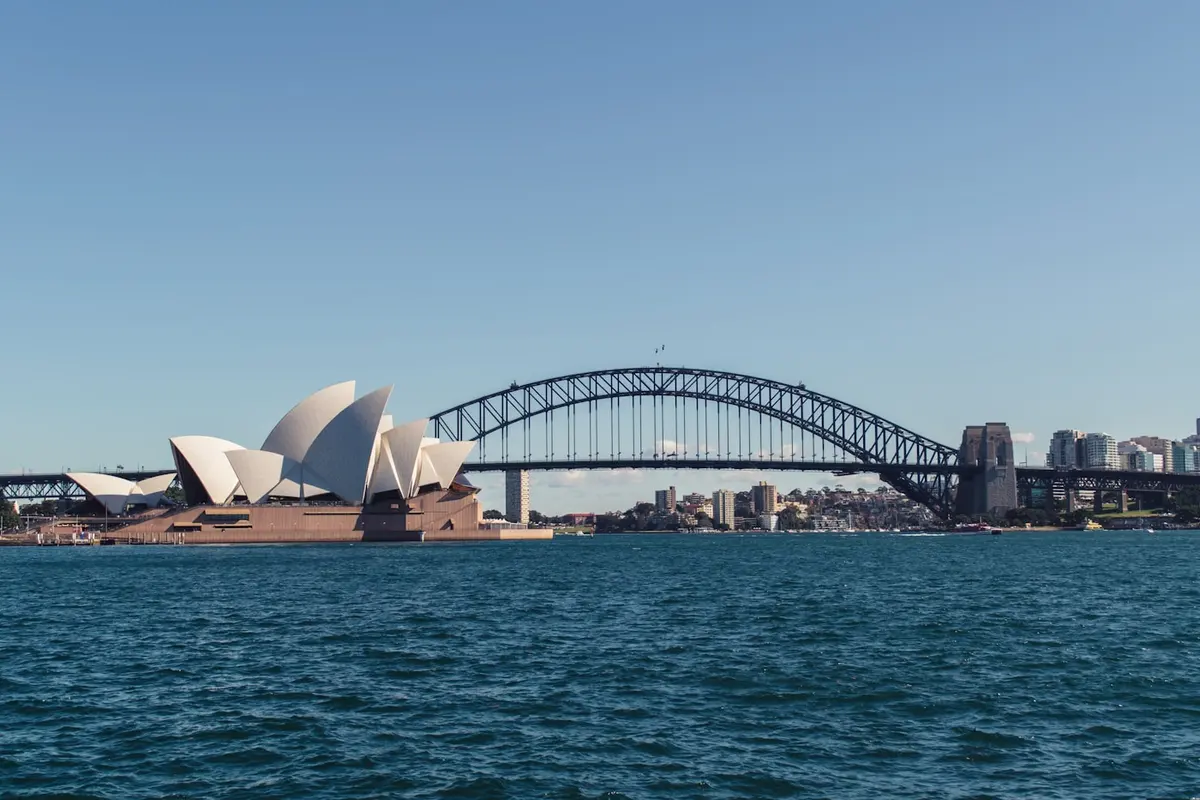
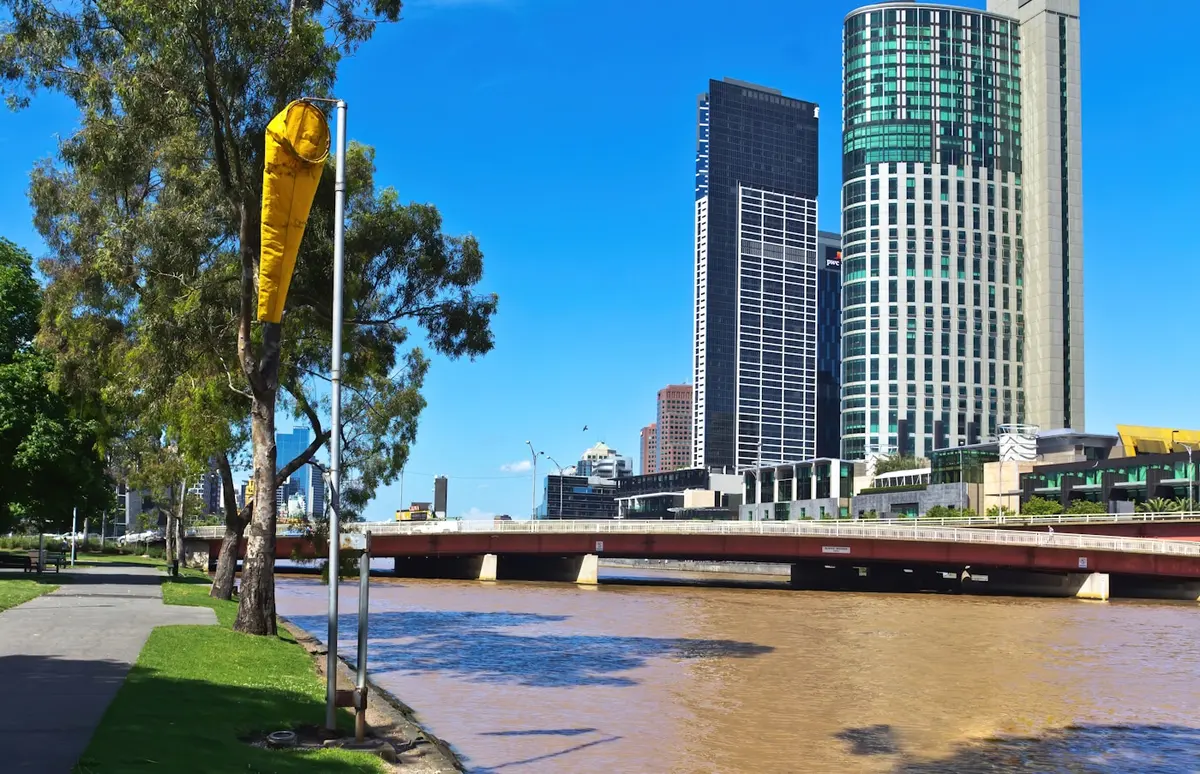
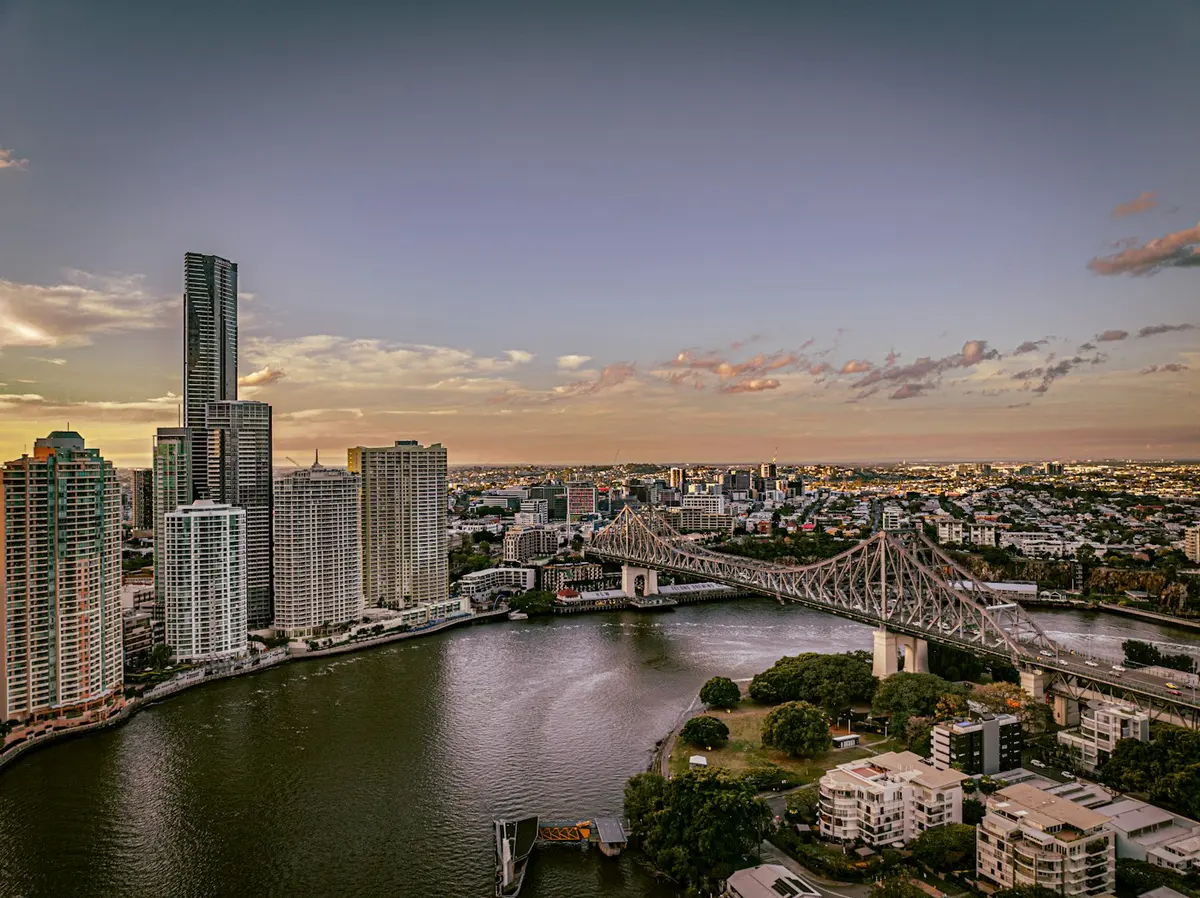
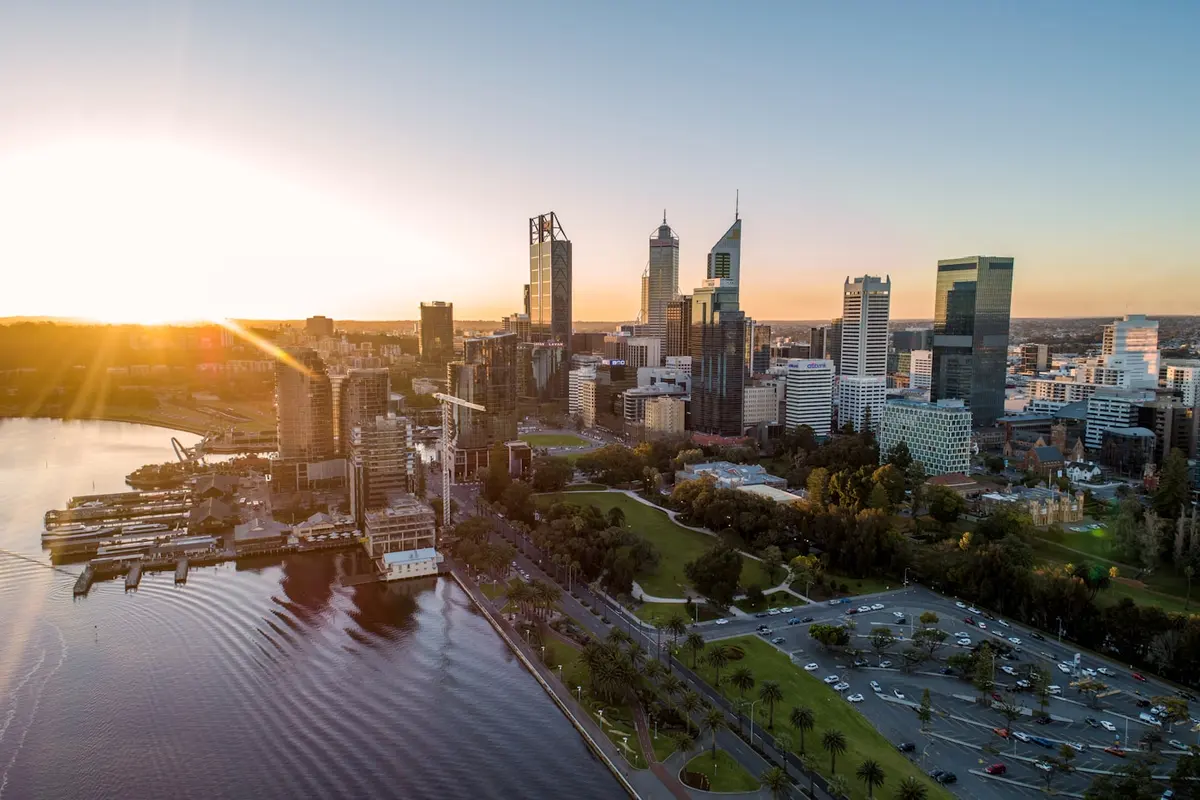
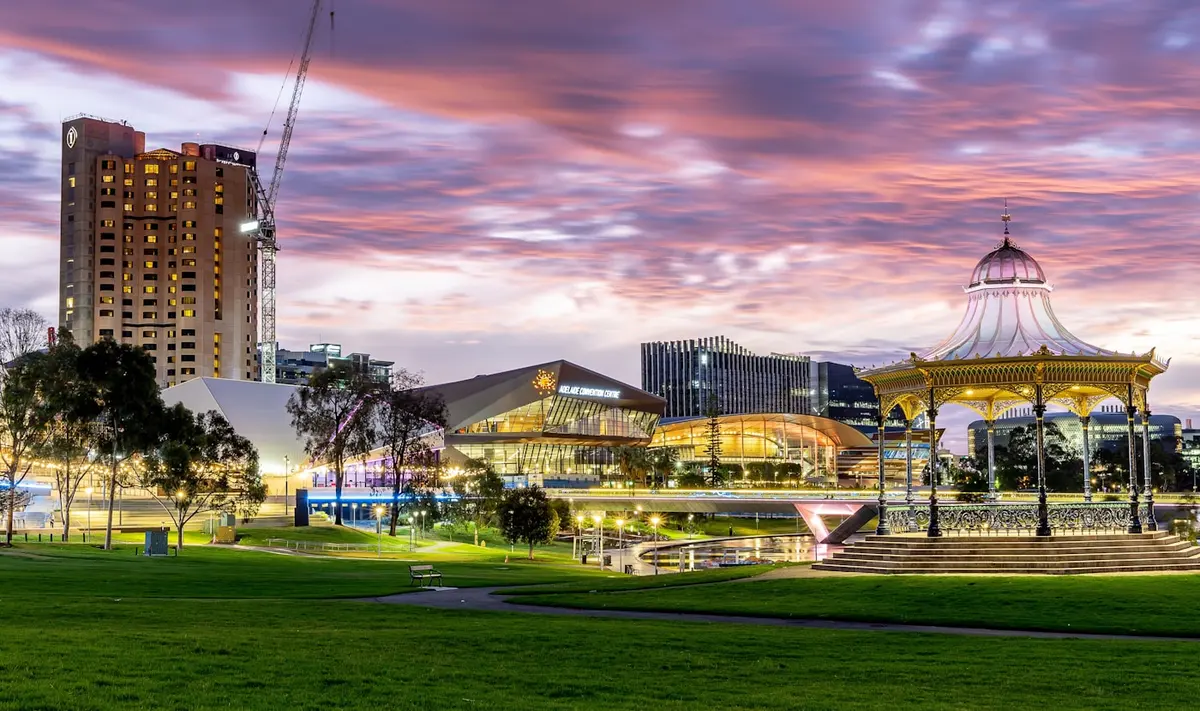
City choice in Australia matters more than it might first appear. Sydney and Melbourne concentrate the widest academic range and best employment connections, but are also the most expensive for housing. Brisbane, Adelaide, and Perth offer high-quality programs with noticeably more manageable living costs. Regional campuses — Cairns, Gold Coast, Townsville — in some cases unlock extended Temporary Graduate visa entitlements for graduates who chose to study outside the major centers.
For English language programs or short vocational courses, Melbourne and Sydney have the widest variety of private colleges and TAFEs (publicly affiliated technical and further education institutions). If the goal is a full undergraduate degree, researching program accreditation and recognition in your home country first is essential.
Australia also has a strong offering of one-year master's programs for students who already hold a bachelor's degree — making it an efficient postgraduate destination.
Intakes, Calendar, and Language Requirements
The Australian academic year starts in February, with two main semesters and a relevant mid-year July intake for many programs. Private colleges and English language providers often run monthly or trimestral intakes.
The Australian Student visa (subclass 500) is applied for online through the Department of Home Affairs portal. Processing times are relatively quick — typically two to four weeks for most Latin American nationalities — but you must have a Confirmation of Enrolment (CoE) issued by your institution before applying.
For English: academic IELTS between 5.5 and 7.0 is the most common requirement depending on the level of study. TOEFL iBT, Cambridge B2/C1, and the PTE Academic are accepted alternatives at most universities. English language courses prior to degree programs (ELICOS) are a well-established and fully legitimate pathway for students who need to build their foundation before enrolling.
Day-to-Day Life: Housing, Transport, and Climate
Housing in Australia comes in several realistic forms. On-campus or university-managed student accommodation is convenient but has waitlists and comes at a premium. Homestays — living with an Australian family — are popular especially during the first months of English programs: they provide cultural context and structure when language is still an obstacle. For the longer term, shared houses (flatshares with two to four people) are the most common way to manage costs.
Public transport works well in capital cities — Opal in Sydney, Myki in Melbourne, and equivalents elsewhere. In smaller university towns and regional areas, cycling is common and practical.
Climate varies dramatically by location. Melbourne is famously unpredictable — four seasons in one day is not just a cliché. Brisbane and Queensland are warm and humid in summer. Adelaide has dry summers and mild winters. For Latin American students used to warm weather, northern cities are an easy transition; those arriving from cooler climates will find Melbourne or Canberra require genuine winter gear.
The Application Process with ApplySite
Applying to study in Australia through ApplySite is free for students. The platform works directly with Australian institutions, and tuition is always paid to the school — never to an intermediary. You can start your inquiry from any program page.
An advisor can help you confirm whether your academic and language profile meets the requirements for the program you have in mind, walk you through the correct sequence (acceptance → CoE → visa), and review your documentation before submission. The Australian student visa is straightforward but has specific financial requirements that are worth understanding clearly before you start.
If you're comparing Australia with another English-speaking destination, an advisor can lay out the practical differences — not to steer you one way, but so the choice is yours with complete information.
Work while you study
You may be allowed to work part-time
Up to 48 hours per fortnight while studying
Cost of living in Australia
Budgeting before you move to Australia is essential. Below are approximate monthly costs; figures vary by city and lifestyle.
Housing
$1,000 – $2,000 AUD/month
Food
$400 – $600 AUD/month
Transport
$150 – $200 AUD/month
Extras
$300 – $400 AUD/month
Student visa for Australia
To study in Australia you typically need Student Visa (Subclass 500). ApplySite guides you through the process.
Secure your place
Receive your official letter of acceptance for your visa application.
Gather documents
Passport, acceptance letter, proof of funds, photos and any country-specific forms.
Apply for your visa
Complete the official application and pay government fees.
Travel to Australia
Once approved, you are ready to start your international study journey.
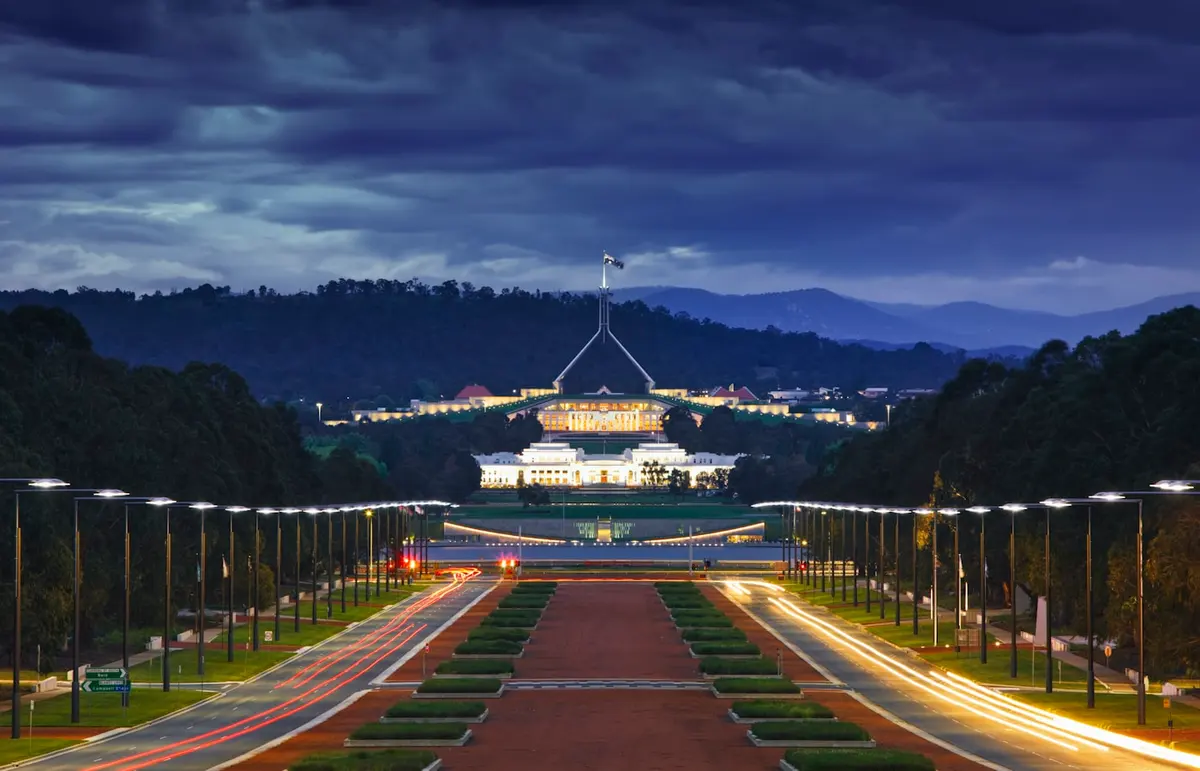
Major cities in Australia
Australia has several cities with strong institutions, different living costs and student communities.
Programs in Australia
View all →Loading programs…
FAQs about studying in Australia
Costs depend on program and institution. Typical monthly living costs: housing $1,000 – $2,000 AUD/month, food $400 – $600 AUD/month, transport $150 – $200 AUD/month, extras $300 – $400 AUD/month. ApplySite helps you find options within your budget.
Language requirements depend on the program. Language courses often start from beginner level. Degree programs may require IELTS, TOEFL or equivalent scores.
Up to 48 hours per fortnight while studying Part-time work can offset living costs and build international experience.
Processing often takes 4–12 weeks depending on nationality and season. Start early. ApplySite can outline timelines for your case.
No. Searching, comparing and applying through ApplySite is free for students. We connect you directly with institutions — no agency commission.
Information subject to change
Visa rules, costs, work rights and study conditions can change. Last reviewed May 2026. Confirm with official sources or an ApplySite advisor. Figures are indicative only.