

Study in United Kingdom
#2 education system worldwide
Home → Destinations → United Kingdom Schools in this country →
Why study in United Kingdom?
The UK hosts some of the world’s most prestigious universities — Oxford, Cambridge, UCL and more. An elite academic experience that opens doors worldwide.
The United Kingdom offers centuries of academic excellence. Shorter degrees, English-medium instruction and strong graduate outcomes attract students from every continent.
The UK university system has one of the world's highest concentrations of historically significant institutions: Oxford, Cambridge, Edinburgh, Durham, St Andrews, and many others have centuries of continuous academic activity reflected in the rigor of their teaching and assessment methods. For a Latin American student entering this system, the adjustment curve isn't only about language — it's also about methodology: individual tutorials at Oxbridge, seminar-based debate in social sciences, or long-essay assessment systems are ways of learning without direct equivalents in most Latin American universities, and they internalize as highly transferable skills.
The Graduate Route introduced in 2021 significantly changed the UK's appeal to international students: before Brexit and this route, graduates had to leave the country or immediately secure employer sponsorship. With two years of free post-graduation work (three for doctoral graduates), the UK is again competitive with destinations like Australia or Canada for those planning to start careers in Europe. Sectors with the highest demand for international graduates in the UK include technology, finance, management consulting, healthcare, and life sciences.
For Latin Americans considering the UK as a European springboard, it's worth noting that the UK is not part of Schengen, and post-Brexit free movement toward the EU no longer applies with a British degree or visa. Ireland, which is EU, shares a Common Travel Area with the UK but has its own visa. Planning post-study European mobility from the UK requires early planning.
Capital
London
Languages
English
Currency
British Pound (GBP)
Population
67 million
Climate
Temperate / Rainy
Visa
Student Visa
Does the UK Make Sense for Your Profile?
The UK is the English-language study destination with the deepest historical weight in academic reputation, and that shows up concretely in how degrees are recognized — particularly in finance, law, and the sciences. Programs are also notably efficient: bachelor's degrees take three years, and many master's programs can be completed in one intensive year. For students looking to maximize time and credential, that's a genuine argument in its favor.
Post-Brexit, Latin American students apply on the Student visa under the same conditions as all international students — without the lower EU-rate tuition that previously benefited European citizens — but without any change in academic access. The Graduate Route, introduced in 2021, allows graduates to stay for two years (three for doctoral graduates) to work or look for work in any sector, without requiring employer sponsorship from day one.
It isn't the cheapest option. London in particular ranks among the most expensive cities in Europe. But cities like Manchester, Leeds, Edinburgh, Glasgow, and Nottingham combine top-tier universities with meaningfully lower living costs.
London vs. the Rest of the UK: How to Think Through the Decision
London has the obvious appeal: career opportunities, diversity, and institution names everyone recognizes — UCL, LSE, King's College, Imperial. But studying in the UK outside London genuinely deserves serious consideration. Manchester has two top-ranked universities (UoM and Manchester Metropolitan), a strong cultural scene, and housing costs well below London's. Edinburgh is home to one of the world's best universities (UoE) and a city that competes on quality of life with any European capital.
For English language programs or foundation years (the academic preparation year before a degree), the offering outside London is extensive and generally more affordable. Many Latin American students complete their foundation in a mid-sized city and move to London for the degree itself if that makes career sense.
Program type also matters. The British system distinguishes meaningfully between Russell Group universities (research-intensive), modern universities (more employability-focused), and higher education colleges. For a professional master's in business or communications, a modern university can be just as practical as a Russell Group — at a lower cost.
Academic Year, Intakes, and English Requirements
The UK academic year begins in September or October and runs in three terms. Most undergraduate and postgraduate programs have a single annual intake in autumn. Some universities offer a January intake for master's programs, but this isn't universal — always verify on a program-by-program basis.
The Student visa requires an unconditional offer letter from the institution before it can be applied for. Processing times are generally fast — three weeks is a reasonable average from outside the UK — but the application can only be submitted up to six months before the program start date.
For English, British universities are quite specific by program. Academic IELTS is the dominant standard: 6.0 to 7.0 overall depending on level and discipline, with individual band requirements. TOEFL, Cambridge Advanced (CAE), and LanguageCert are accepted by many institutions. If current scores fall short, Pre-Sessional English Programmes offered by the universities themselves are the standard pathway.
Housing, Getting Around, and Everyday Life in the UK
University halls of residence are the most common option for first-year students: they offer structure, immediate community, and usually include utility bills. Demand is high — apply as soon as your admission offer arrives. From the second year onward, most students move into shared flats in the university neighborhood.
Public transport in the UK is extensive but expensive if you don't use student discounts. The 16-25 Railcard (or 26-30 Railcard) gives 30% off national train fares and pays for itself quickly. Local buses with a university card handle most day-to-day travel in the majority of cities.
The NHS covers international students who pay the Immigration Health Surcharge as part of their visa application — that surcharge is factored into the total visa cost. In practical terms, students access the public health system without cost at the point of care, which is a real advantage compared to destinations where separate private health insurance is required.
Applying to the UK Through ApplySite
For undergraduate programs, the official UK channel is UCAS, and many international students navigate that process with advisor support. For postgraduate programs and English language courses, direct application to the university is the norm — and that's where ApplySite can manage the process with you at no additional cost.
An advisor can help you draft your personal statement (the academic motivation letter that British universities weigh more heavily than most other systems), review your documents, and coordinate communication with the institution. Tuition is always paid directly to the school.
If you're thinking about studying in the UK and are undecided between cities, or between a bachelor's degree and a one-year master's, talking with an advisor before committing to a specific application can save time and redirect your effort toward options that genuinely fit your profile.
Work while you study
You may be allowed to work part-time
Up to 20 hours/week during term time
Cost of living in United Kingdom
Budgeting before you move to United Kingdom is essential. Below are approximate monthly costs; figures vary by city and lifestyle.
Housing
£800 – £1,500/month
Food
£300 – £500/month
Transport
£150 – £200/month
Extras
£200 – £350/month
Student visa for United Kingdom
To study in United Kingdom you typically need Student Visa. ApplySite guides you through the process.
Secure your place
Receive your official letter of acceptance for your visa application.
Gather documents
Passport, acceptance letter, proof of funds, photos and any country-specific forms.
Apply for your visa
Complete the official application and pay government fees.
Travel to United Kingdom
Once approved, you are ready to start your international study journey.
Major cities in United Kingdom
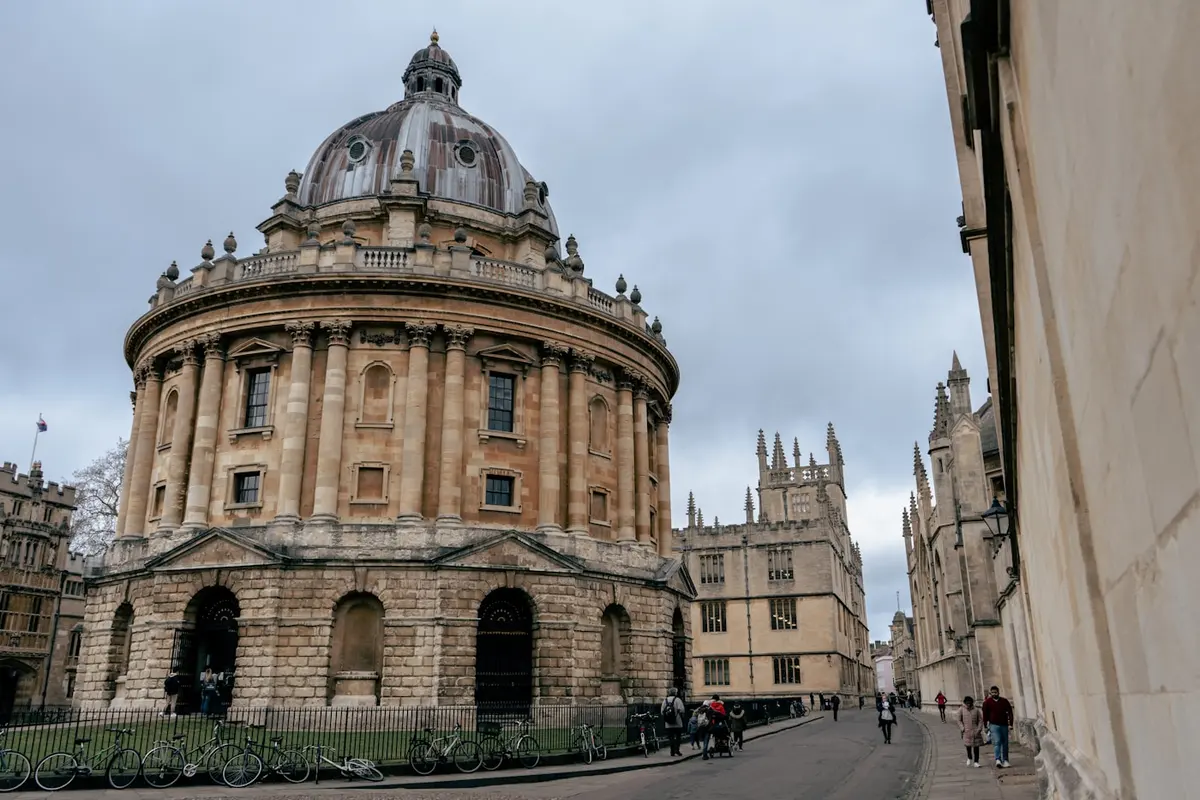
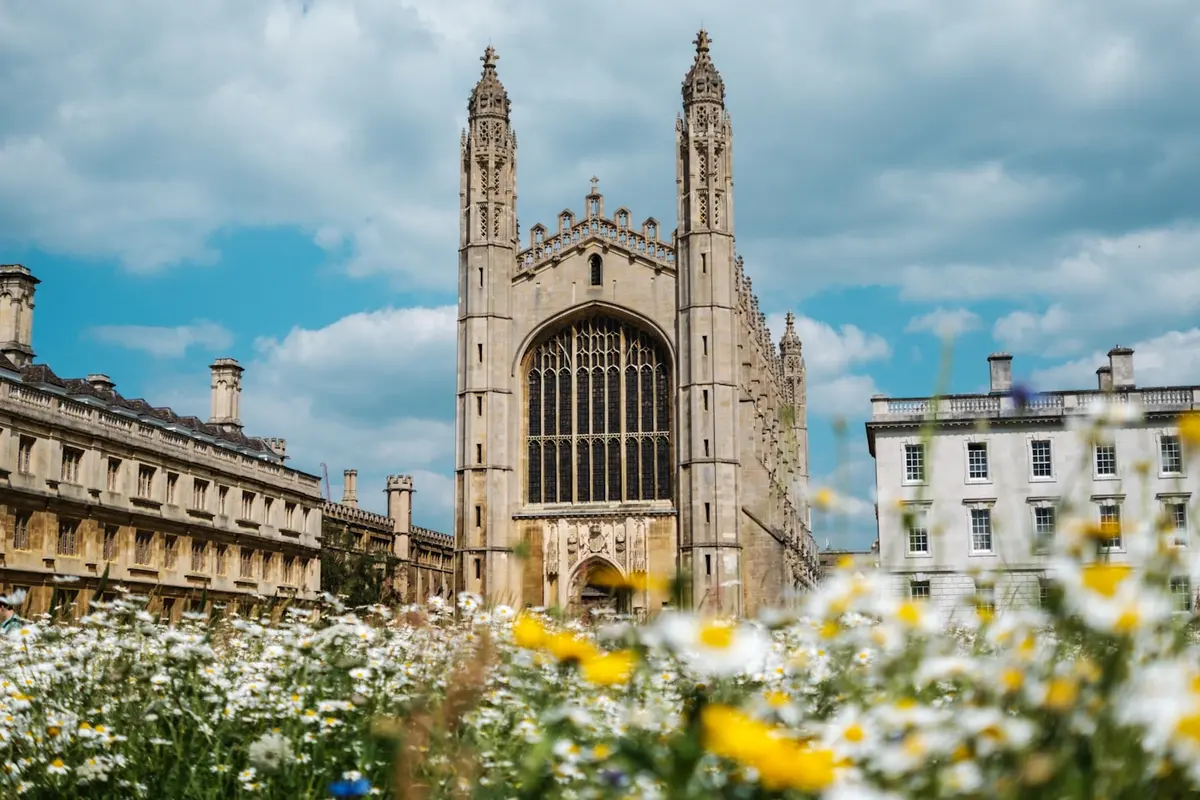
United Kingdom has several cities with strong institutions, different living costs and student communities.




Programs in United Kingdom
View all →Loading programs…
FAQs about studying in United Kingdom
Costs depend on program and institution. Typical monthly living costs: housing £800 – £1,500/month, food £300 – £500/month, transport £150 – £200/month, extras £200 – £350/month. ApplySite helps you find options within your budget.
Language requirements depend on the program. Language courses often start from beginner level. Degree programs may require IELTS, TOEFL or equivalent scores.
Up to 20 hours/week during term time Part-time work can offset living costs and build international experience.
Processing often takes 4–12 weeks depending on nationality and season. Start early. ApplySite can outline timelines for your case.
No. Searching, comparing and applying through ApplySite is free for students. We connect you directly with institutions — no agency commission.
Information subject to change
Visa rules, costs, work rights and study conditions can change. Last reviewed May 2026. Confirm with official sources or an ApplySite advisor. Figures are indicative only.