
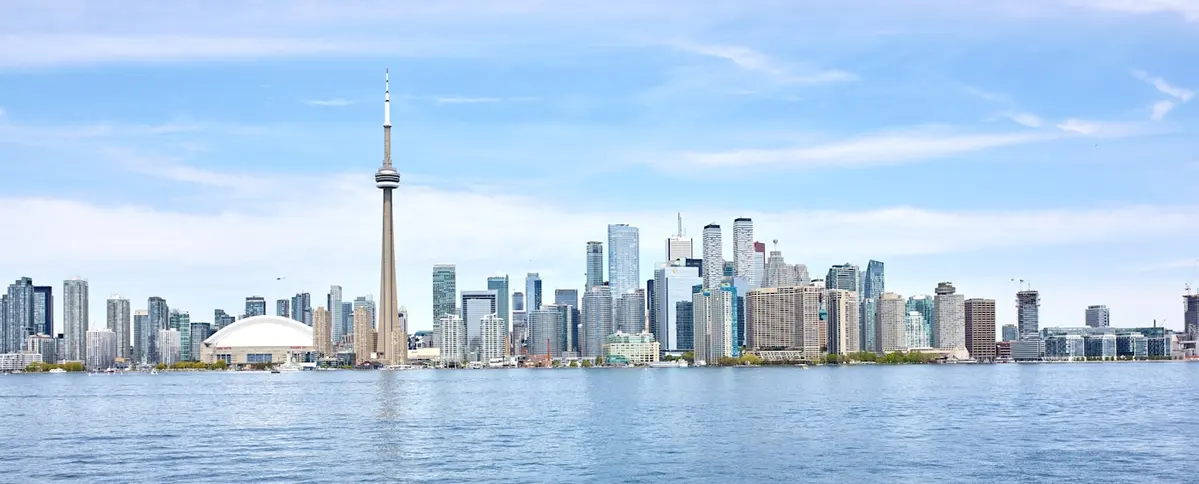
Canada City guide
Study in Toronto
Toronto is Canada's largest city and financial capital — home to research universities, co-op colleges and language schools with one of the most established Latin American student communities in the country.
The TTC (subway, streetcars and buses) covers the entire GTA, linking downtown campuses to residential areas in Scarborough and North York.
Higher cost of living
Study Permit (student visa)
Up to 20 hours/week while studying + up to 3 years post-graduation (PGWP)
You pay the institution directly — ApplySite adds no hidden student fees.

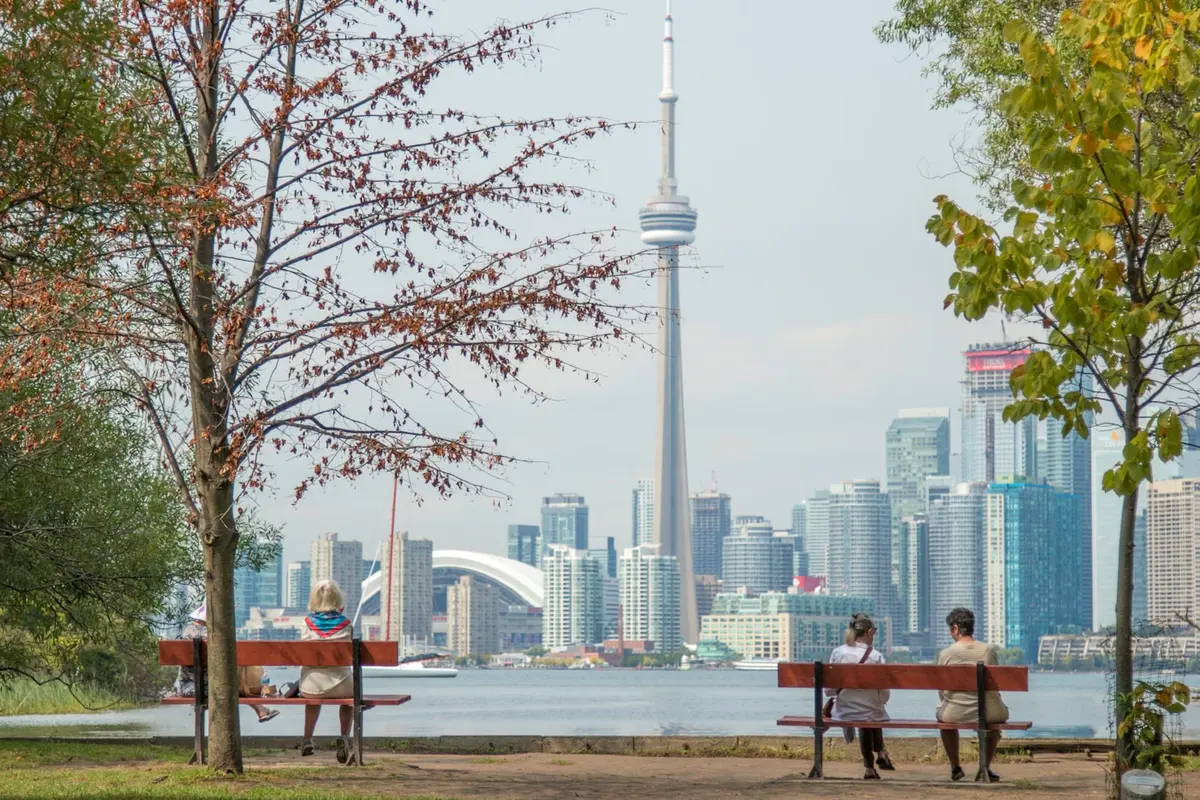

Greater Toronto bundles U of T, York, TMU (formerly Ryerson) and George Brown–style colleges across a wide metro. The TTC links downtown to Scarborough and Mississauga edges, but commute time should shape where you lease. Winter gear, a prepaid transit card and a Canadian bank account are week-one priorities.
Pathway programs, two-year diplomas and research graduate degrees start in different terms — confirm whether your campus is St. George, Keele or suburban. Rent in downtown towers is steep; many students share houses in the west or east end.
Study permits require a letter of acceptance, proof of funds, biometrics and (often) a provincial attestation letter where applicable. You may work on- and off-campus under current federal rules — check IRCC for hour limits tied to your permit.
ApplySite lets you compare verified schools and apply to admissions. You pay the institution directly — ApplySite adds no hidden student fees. Pair this page with our Canada guide for national permit steps.
City guide
Why students choose Toronto
- Business, tech and health hub in Canada
- Large Latin community and Spanish-language services
- Strong college co-op pathways
Education
Types of institutions
Public universities
Undergraduate and graduate degrees with national recognition (UofT, York, TMU).
Public colleges
1–3 year practical diplomas with local employer placements.
Programs
What you can study in Toronto
Programs are published in stages at launch. Use the links below to explore the country catalog or speak with an advisor.
Catalog expanding at launch
Languages in Toronto
Language schools and intensive courses in Toronto to level up before college or university in Canada.
See programs →Catalog expanding at launch
Undergraduate study in Toronto
Diplomas, technical degrees and pathways with Toronto institutions focused on local employability.
See programs →Catalog expanding at launch
Postgraduate programs in Toronto
MBAs, master's and specializations on campus or hybrid with networking in Toronto's ecosystem.
See programs →Student life
Toronto’s neighbourhoods change block by block — Kensington for groceries, the Annex near U of T, Scarborough for lower rents. Campus gyms, winter clubs and Latin American student associations are easy to find; cooking at home saves money when downtown lunches are pricey.
Visa and paperwork
To study in Toronto you will typically need the Study Permit (student visa). Allow several weeks for documents, biometrics and any health checks required for your nationality. While enrolled, up to 20 hours/week while studying + up to 3 years post-graduation (PGWP) Immigration rules change — confirm on the official government site before you travel.
Guide to Canada →Immigration rules change. Information last updated May 2026 — check the official embassy or government site for your nationality.
Planning your budget
Cost of living in Toronto
Indicative monthly ranges for one person; rent varies sharply by neighbourhood.
Indicative figures only — not a quote from institutions. Last reviewed in May 2026. Verify rent, tuition and visa fees on official sources before you budget or apply.
Canada
Other cities in Canada





FAQ
Frequently asked questions
Can I work while studying in Toronto?
With a valid study permit you can work up to 20 hours/week during classes and full-time in scheduled breaks.
How much does it cost to live in Toronto?
Housing is usually the largest expense. Use the cost table on this page as a guide; it varies by area and housing type in Toronto.
How do I apply to a program in Toronto?
On ApplySite you compare programs in Toronto, save favorites and submit your application directly to the institution with admissions tracking.
Do I pay ApplySite?
No. ApplySite does not charge tuition or hidden student fees. Official costs (application, tuition, insurance if required) are paid directly to the institution under their published terms.
Are there hidden fees when I apply?
Browsing, comparing and submitting your application on ApplySite is free for students. Each school lists its fees; what you pay goes to the institution. We do not add undisclosed charges on top of those amounts.
Planning your move to Toronto?
Create your account, save institutions you like and send your application when programs go live. You pay the school directly — ApplySite does not charge tuition or hidden fees.