

Study in Dubai
#1 business hub in the Middle East
Home → Destinations → Dubai Schools in this country →
Why study in Dubai?
Dubai is the Middle East’s business hub — international branch campuses and a futuristic city campus experience.
Dubai hosts universities from around the world and a highly international student community — ideal for business, hospitality and technology pathways.
Dubai has built in two decades a higher education ecosystem without equivalent in the region: academic free zones, first-tier international institutions, modern regulation, and a city functioning as a global business hub between Europe, Asia, and Africa. The KHDA regulates institutions and publishes student satisfaction data and employment outcomes that are publicly accessible — something that isn't standard in all countries. For a Latin American who wants to combine education with exposure to a global business hub, Dubai has a concrete argument.
The UAE job market operates under a visa sponsorship system (kafala) that formally ties workers to employers. For students who graduate in Dubai and want to work in the region, transitioning from student visa to work visa requires an employer to make the change. The Emirati government has introduced several new visa categories in recent years — including the Golden Visa for professionals with specific skills — that provide more flexibility, but the job market remains specific for those coming from outside. Understanding residency options clearly before committing to Dubai as a post-graduation destination is essential.
For Latin Americans studying in Dubai, the social environment deserves attention. The Emirates is a majority-expatriate country — over 80% of the population is not Emirati — and the Latin American community, while small in relative terms, is present and active. However, the cultural environment differs significantly in terms of social norms, alcohol, religious expression, and public gender relations. Students who research these differences before arriving and go with genuine willingness to adapt to the local context have much richer experiences than those who arrive with incorrect expectations.
Capital
Abu Dhabi
Languages
Arabic, English
Currency
UAE Dirham (AED)
Population
3.5 million
Climate
Desert / Hot
Visa
Student residence visa
Who Actually Makes Sense to Study in Dubai?
Dubai has become a significant higher education destination over the past decade, driven by the growth of international university branch campuses. Institutions like Heriot-Watt University Dubai, Middlesex University Dubai, University of Wollongong in Dubai, and Murdoch University Dubai operate with the same internationally recognized degrees as their home campuses.
It works well for students who want a prestigious Anglo-Saxon university degree, value the cosmopolitan and multicultural environment of the Emirates, and have genuine interest in working or networking in the Gulf region, Africa, or Asian markets. Dubai has no income tax, which has concrete implications for net salary in local employment.
It's not a typical destination for those seeking the traditional campus experience with independent student life. The environment is urban, fast-paced, and career-focused. It suits master's programs in business, management, engineering, media, or technology better than four-year undergraduate degrees.
Choosing a Campus and Program in Dubai's Higher Education Ecosystem
Dubai Academic City and Dubai International Academic City (DIAC) concentrate most of the emirate's international university campuses. Knowledge Park is another relevant hub for executive education and corporate training. Each campus operates with its own institutional culture, though all are regulated by the KHDA (Knowledge and Human Development Authority).
When choosing, the most important thing is to verify degree recognition in your target country: a Heriot-Watt Dubai degree carries the same recognition as its Edinburgh campus — but it's worth confirming with the specific country or sector. International MBA, finance, logistics and supply chain, telecommunications engineering, and digital media are areas with solid offerings in Dubai's academic ecosystem.
English language programs and professional certifications are also available at city institutes, though the range is narrower than in traditional English-speaking destinations.
Calendar, Student Visa, and Language Requirements
The academic calendar at Dubai campuses generally follows the parent institution's schedule, with intakes in September and in some cases January or May. Verify directly with the campus — not all programs have the same intake dates in Dubai as at the main campus.
The UAE student visa is managed directly by the university — students don't apply independently. The institution provides sponsorship and issues the documents needed for the entry permit and residence visa. Once in the country, there's an Emirates ID and medical screening process that institutions guide students through.
For language, Anglo-Saxon university campuses in Dubai require IELTS 6.0–6.5 or equivalent for admission. For Latin American students with solid English, this threshold is generally manageable.
Student Life in Dubai: Real Costs and Daily Realities
Dubai is expensive in terms of housing and restaurant meals, but it's manageable. Many campuses have residences or shared housing lists, and less tourist-facing neighborhoods (Al Qusais, Deira, Bur Dubai) offer substantially lower rent than premium areas like Marina or Downtown. Supermarket food is affordable, and the informal restaurant scene across world cuisines is excellent.
Transport combines metro, buses, and taxis (Careem/Uber). The metro covers the main corridors and is modern and efficient. Dubai Academic City campuses are outside the metro network, so campus shuttles or a car are needed for specific routes.
Dubai's climate has two modes: summer (May–September) is extremely hot and humid, with temperatures easily exceeding 40°C; the rest of the year is warm and sunny with pleasant evenings. Student life is predominantly indoors during the extreme heat months.
Applying to Dubai Through ApplySite
ApplySite can connect you with university campuses in Dubai on the platform at no additional cost. Tuition is paid directly to the institution.
Before committing to Dubai, an advisor can help you verify whether the degree from the program you're considering is recognized in your country or sector, and compare the Dubai option with the main campus of the same institution. In some cases the Dubai campus is a strategically excellent choice; in others, local degree recognition matters more than it initially appears.
If your goal is to work in the Gulf region or build a network in that ecosystem, Dubai is hard to beat as a base.
Work while you study
You may be allowed to work part-time
Limited during studies — check your permit
Cost of living in Dubai
Budgeting before you move to Dubai is essential. Below are approximate monthly costs; figures vary by city and lifestyle.
Housing
$1,500 – $3,000/month
Food
$400 – $700/month
Transport
$100 – $200/month
Extras
$300 – $500/month
Student visa for Dubai
To study in Dubai you typically need Student residence visa. ApplySite guides you through the process.
Secure your place
Receive your official letter of acceptance for your visa application.
Gather documents
Passport, acceptance letter, proof of funds, photos and any country-specific forms.
Apply for your visa
Complete the official application and pay government fees.
Travel to Dubai
Once approved, you are ready to start your international study journey.
Major cities in Dubai
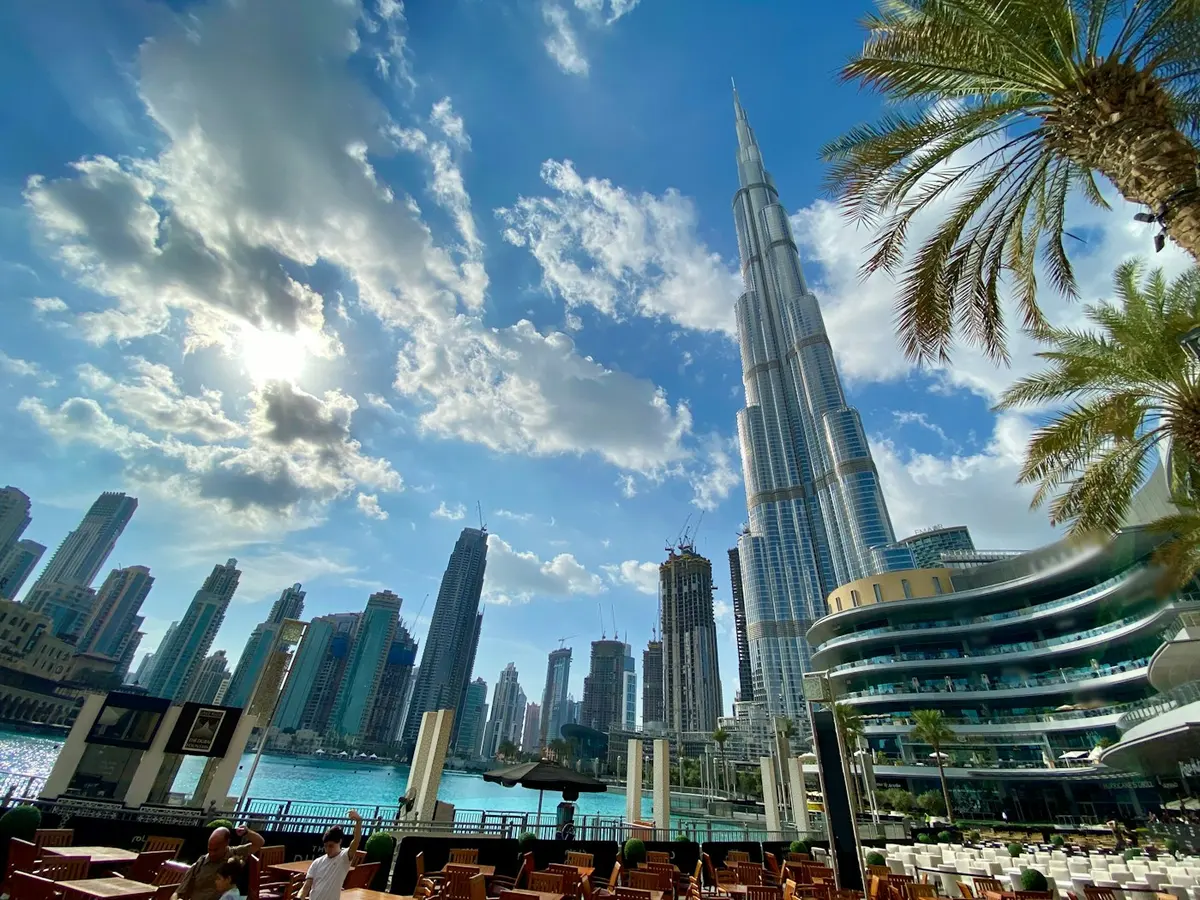
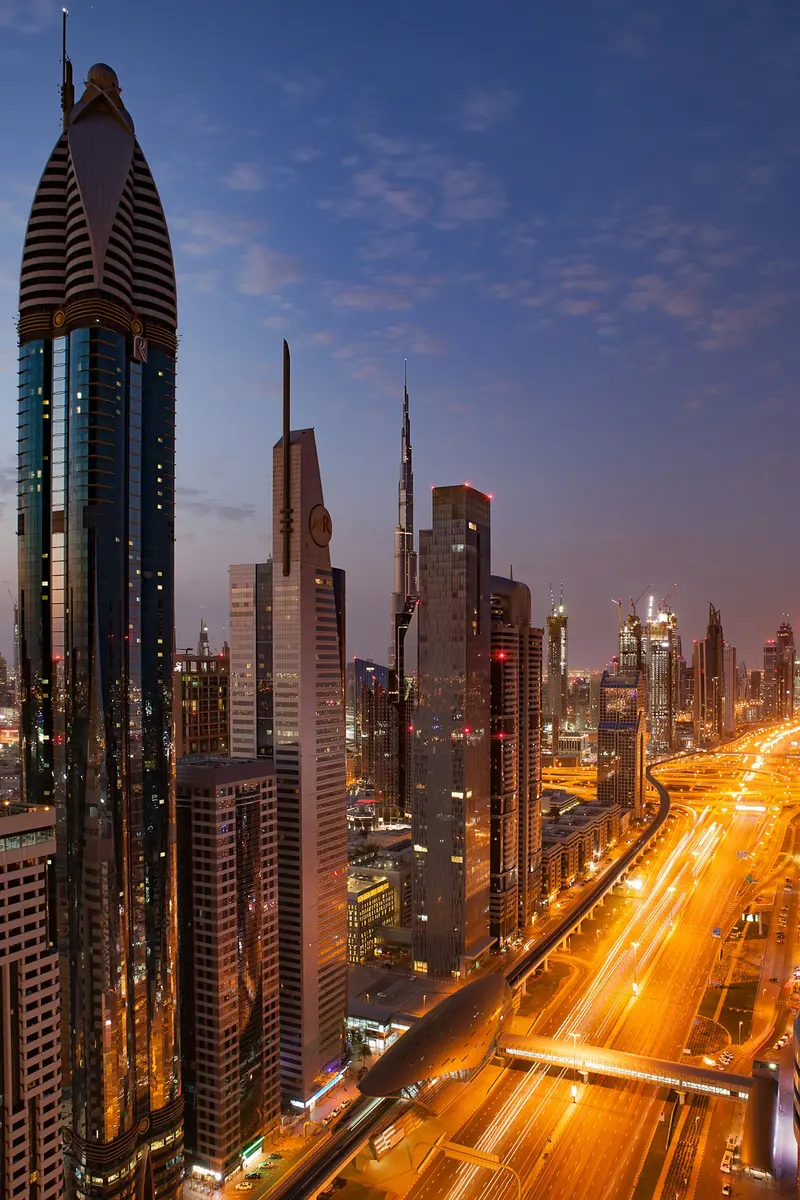
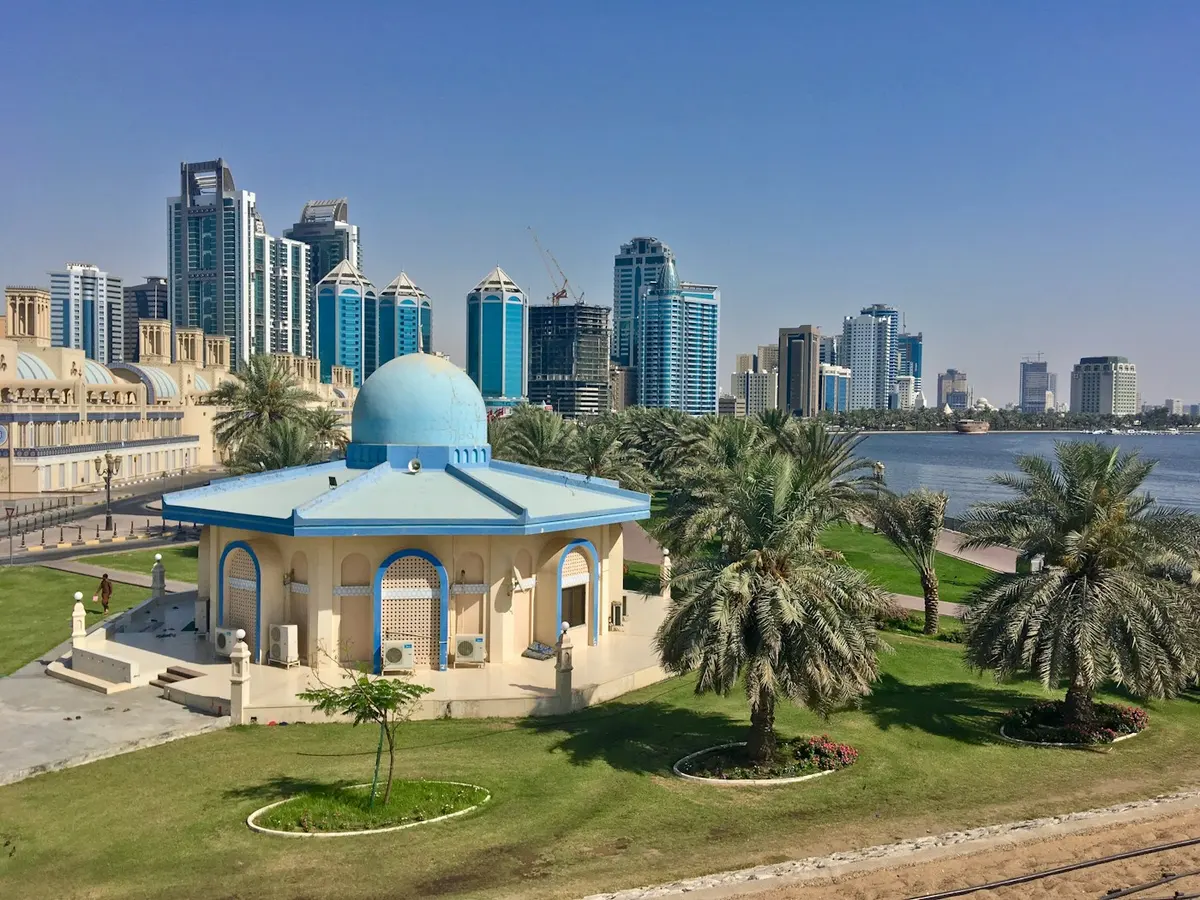
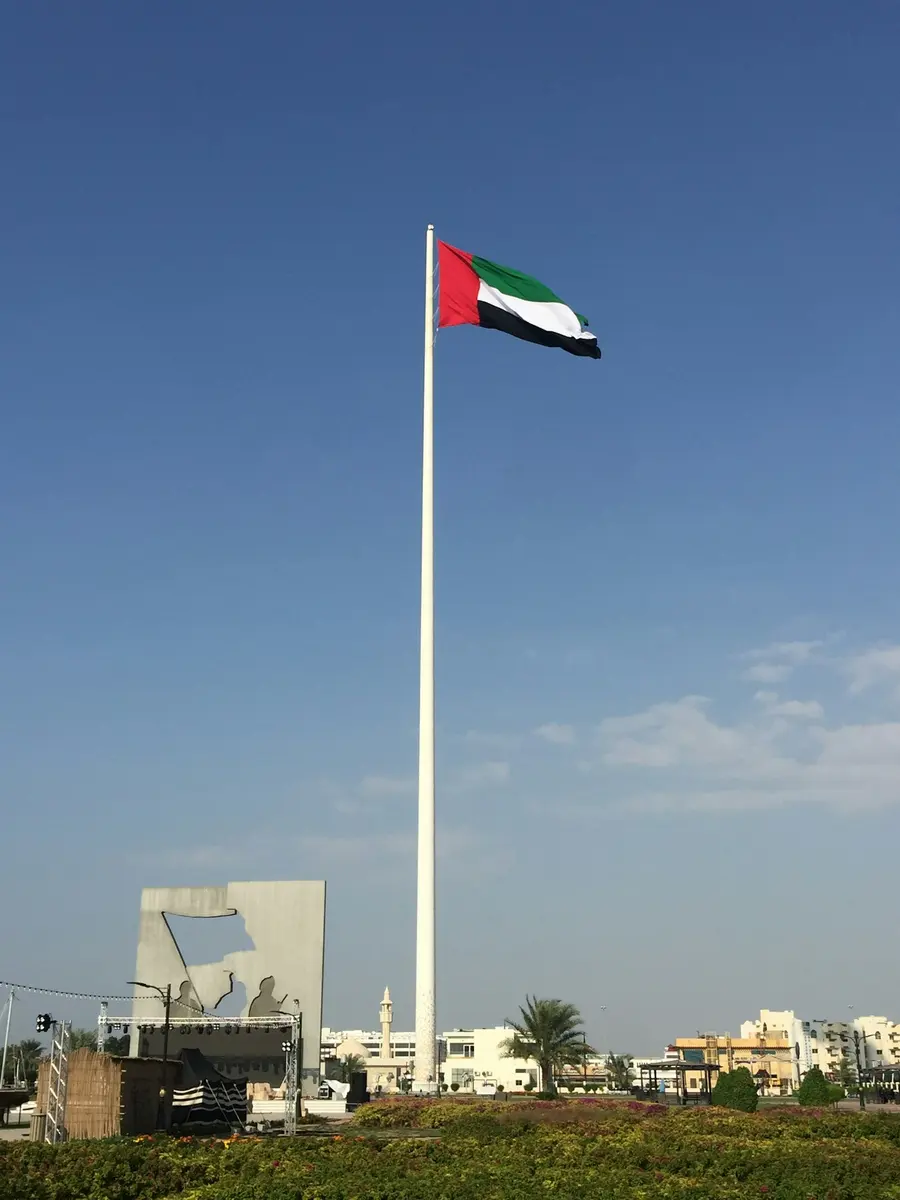
Dubai has several cities with strong institutions, different living costs and student communities.
Programs in Dubai
View all →Loading programs…
FAQs about studying in Dubai
Costs depend on program and institution. Typical monthly living costs: housing $1,500 – $3,000/month, food $400 – $700/month, transport $100 – $200/month, extras $300 – $500/month. ApplySite helps you find options within your budget.
Language requirements depend on the program. Language courses often start from beginner level. Degree programs may require IELTS, TOEFL or equivalent scores.
Limited during studies — check your permit Part-time work can offset living costs and build international experience.
Processing often takes 4–12 weeks depending on nationality and season. Start early. ApplySite can outline timelines for your case.
No. Searching, comparing and applying through ApplySite is free for students. We connect you directly with institutions — no agency commission.
Information subject to change
Visa rules, costs, work rights and study conditions can change. Last reviewed May 2026. Confirm with official sources or an ApplySite advisor. Figures are indicative only.