
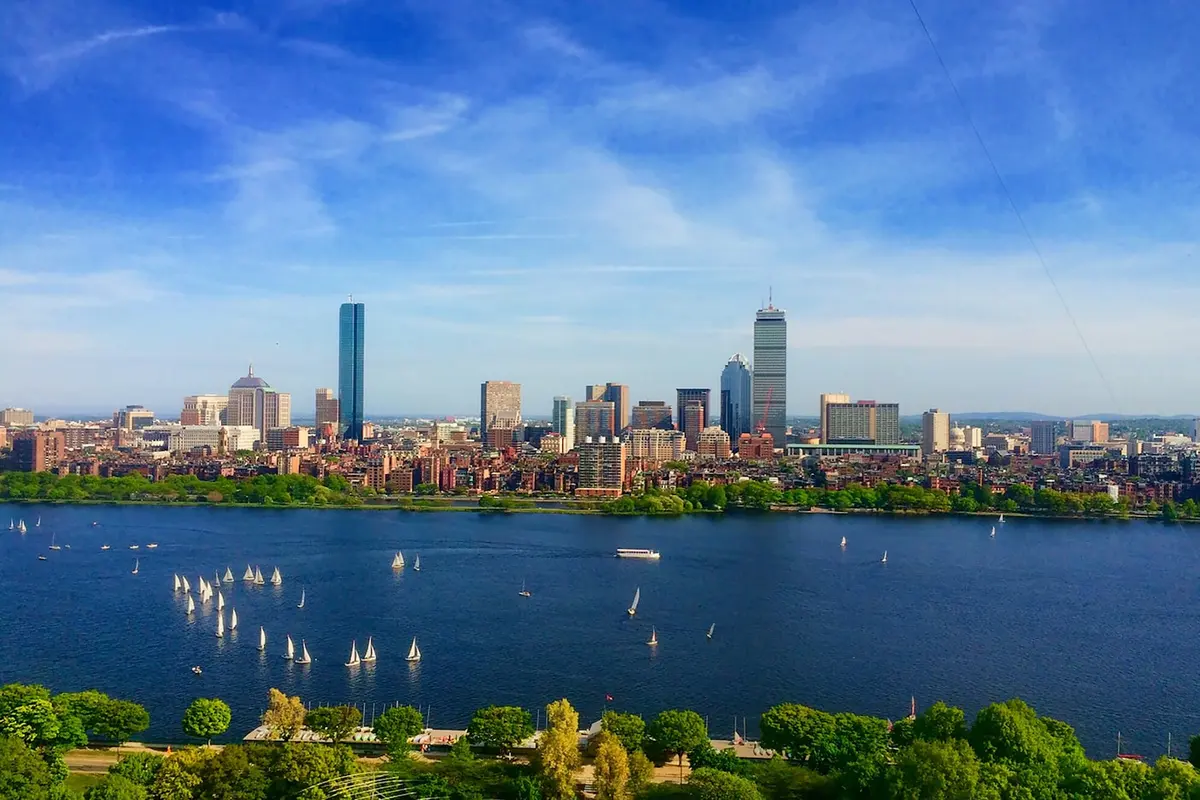
United States City guide
Study in Boston
Boston draws Latin American students because it concentrates academic supply, services and international community within a manageable radius. MBTA Red Line links MIT at Kendall/MIT with Harvard Square in 5 minutes; Northeastern and BU students use the Green Line E branch; the last train runs around 12:30 am, earlier than NYC. Boston has the highest concentration of top-ranked universities per square kilometre of any city in the world.
MBTA Red Line links MIT at Kendall/MIT with Harvard Square in 5 minutes; Northeastern and BU students use the Green Line E branch; the last train runs around 12:30 am, earlier than NYC.
Higher cost of living
F-1 student visa
Up to 20 hours/week on campus while studying
You pay the institution directly — ApplySite adds no hidden student fees.
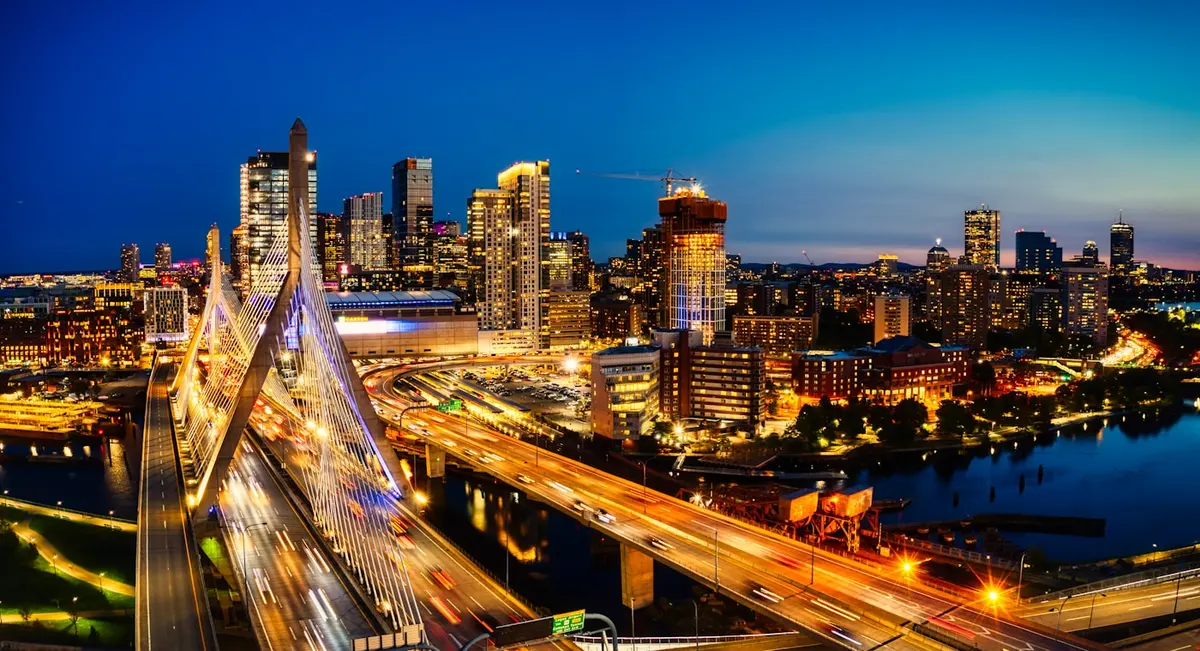
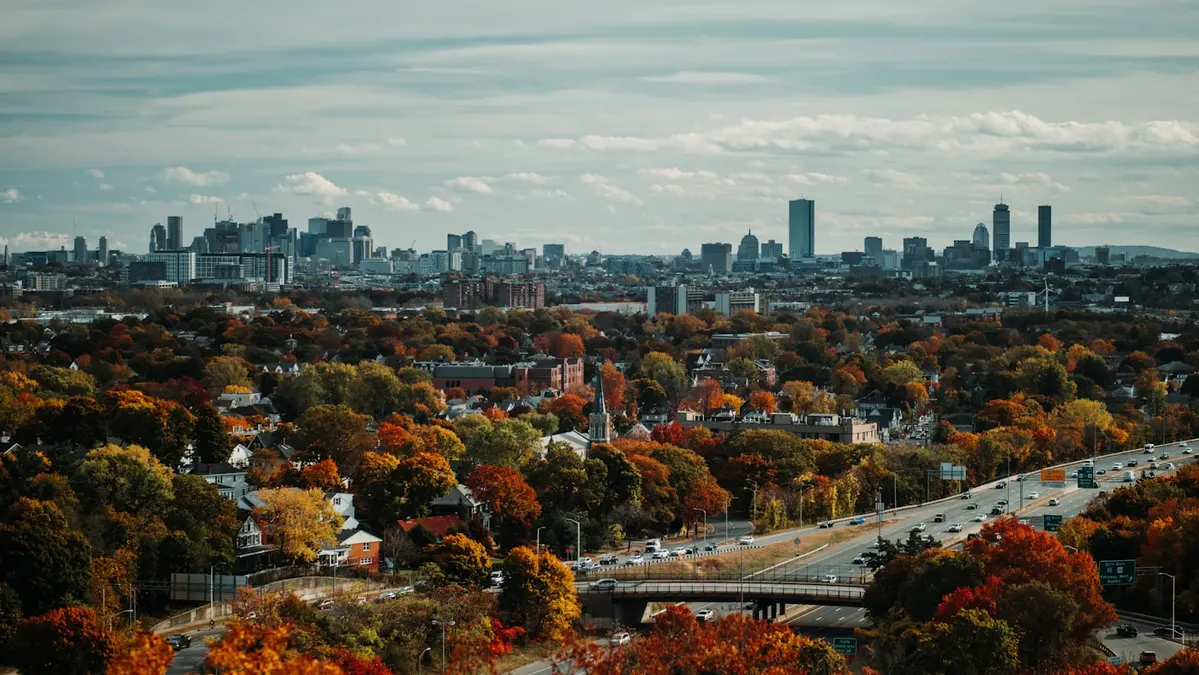
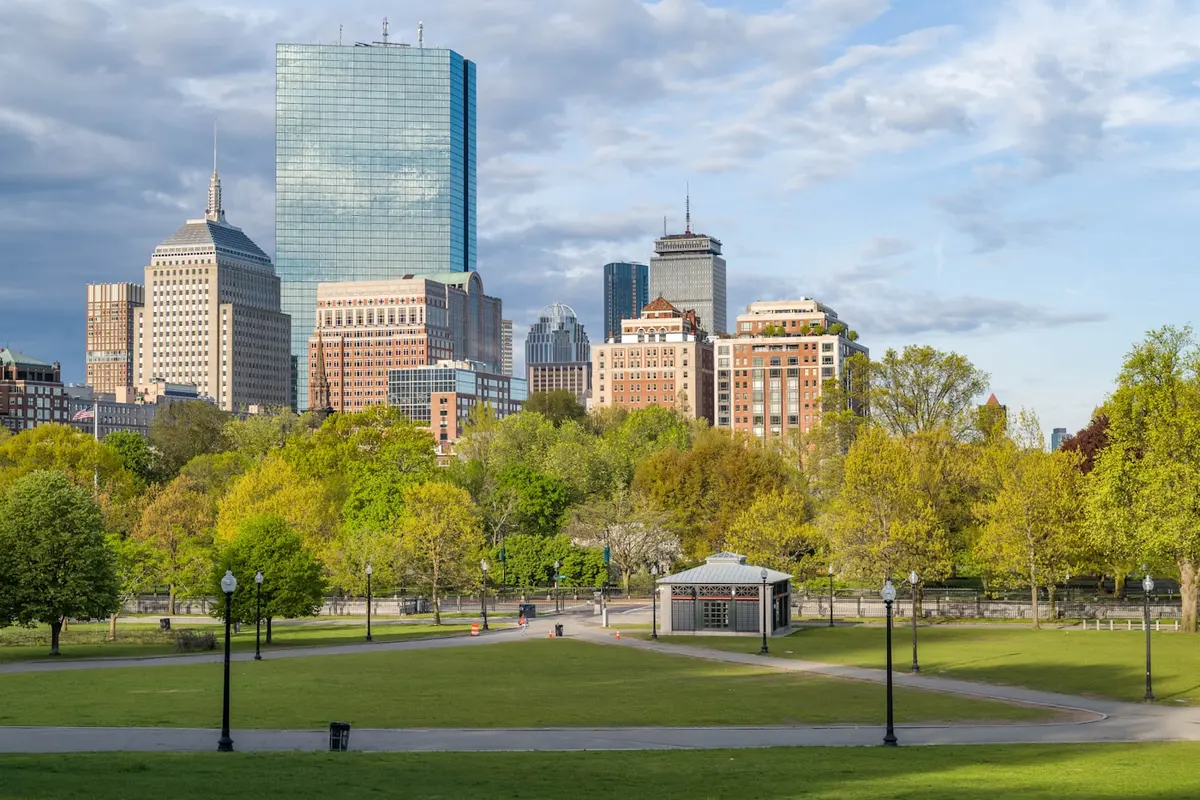
Education in Boston is not a single "flagship" campus story. Two-year college routes, degree pathways, work-integrated masters and rolling language intakes sit side by side. Check intake dates, language scores and whether the campus is downtown or suburban with commuter links.
Until then, use this guide for costs, visa type and study format, and talk to an advisor if you already have a campus in mind. The institution processes admission; we help you track the file.
Transit and rent shape the real budget in Boston more than the headline tuition fee. MBTA Red Line links MIT at Kendall/MIT with Harvard Square in 5 minutes; Northeastern and BU students use the Green Line E branch; the last train runs around 12:30 am, earlier than NYC. Boston has the highest concentration of top-ranked universities per square kilometre of any city in the world. Compare other United States cities in this guide if you have not locked your destination yet.
Most cities in this guide offer three housing profiles: university residence (expensive, limited spaces, book early), homestay (board included, ideal for the first month) and shared flat (best price-to-autonomy ratio over a full academic year). A homestay family typically provides cultural and practical context that no group chat can replicate.
The academic year in United States typically starts in September or October, with a second intake in January or February for eligible programmes. Language schools accept monthly starts at most centres. If you arrive outside the main cycle, a language semester beforehand places you at the right level for the formal programme start. In Boston the concentration of providers means more varied entry dates than in smaller country cities.
To browse verified programmes and apply through ApplySite: open the catalog, filter by city or programme type, compare institution profiles and submit your application directly to admissions. You do not pay ApplySite — tuition and administrative fees go straight to the institution. An ApplySite advisor follows up with you until you receive a decision.
City guide
Why students choose Boston
- MBTA Red Line links MIT at Kendall/MIT with Harvard Square in 5 minutes; Northeastern and BU students use the Green Line E branch; the last train runs around 12:30 am, earlier than NYC. Boston has the highest concentration of top-ranked universities per square kilometre of any city in the world.
- Mixed academic routes: languages, diplomas and degrees in Boston
- Side-by-side comparison with other United States cities on ApplySite
- Program catalog in Boston expanding at launch
Education
Types of institutions
Universities and higher education
Institutions with their own admissions in Boston; check language of instruction and intake dates.
Colleges and vocational training
Applied one- to three-year diplomas, often with local placements.
Language schools
Intensive courses before academic study or to raise language scores.
Programs
What you can study in Boston
Programs are published in stages at launch. Use the links below to explore the country catalog or speak with an advisor.
Catalog expanding at launch
Languages in Boston
Language schools and intensive courses in Boston to level up before college or university in United States.
See programs →Catalog expanding at launch
Undergraduate study in Boston
Diplomas, technical degrees and pathways with Boston institutions focused on local employability.
See programs →Catalog expanding at launch
Postgraduate programs in Boston
MBAs, master's and specializations on campus or hybrid with networking in Boston's ecosystem.
See programs →Student life
The first semester in Boston typically has the highest upfront costs: rental deposit, transit card, course materials and setup expenses. Budget a two-month buffer on top of regular monthly costs before your arrival date.
Visa and paperwork
To study in Boston you will typically need the F-1 student visa. Allow several weeks for documents, biometrics and any health checks required for your nationality. While enrolled, up to 20 hours/week on campus while studying Immigration rules change — confirm on the official government site before you travel.
Guide to United States →Immigration rules change. Information last updated May 2026 — check the official embassy or government site for your nationality.
Planning your budget
Cost of living in Boston
Indicative monthly ranges for one person; rent varies sharply by neighbourhood.
Indicative figures only — not a quote from institutions. Last reviewed in May 2026. Verify rent, tuition and visa fees on official sources before you budget or apply.
United States
Other cities in United States



FAQ
Frequently asked questions
Can I work while studying in Boston?
In United States, the usual rule is: Up to 20 hours/week on campus while studying. Confirm limits on your offer letter and the official immigration site.
How much does it cost to live in Boston?
Housing is usually the largest expense. Use the cost table on this page as a guide; it varies by area and housing type in Boston.
How do I apply to a program in Boston?
On ApplySite you compare programs in Boston, save favorites and submit your application directly to the institution with admissions tracking.
Are programs already listed for Boston?
The catalog rolls out in phases at launch. Until then use this guide and contact our team if you already have an institution in mind.
Do I pay ApplySite?
No. ApplySite does not charge tuition or hidden student fees. Official costs (application, tuition, insurance if required) are paid directly to the institution under their published terms.
Are there hidden fees when I apply?
Browsing, comparing and submitting your application on ApplySite is free for students. Each school lists its fees; what you pay goes to the institution. We do not add undisclosed charges on top of those amounts.
Planning your move to Boston?
Create your account, save institutions you like and send your application when programs go live. You pay the school directly — ApplySite does not charge tuition or hidden fees.