

Study in Germany
#4 university system worldwide
Home → Destinations → Germany Schools in this country →
Why study in Germany?
Germany offers outstanding education at relatively low cost — many public universities charge little or no tuition.
Germany is a leader in engineering, research and business. International programmes in English are growing, and students can work part-time during their studies.
Germany's dual vocational education and training system (duales Ausbildungssystem) is a global reference, but it's important to distinguish it from the university system that most international students access. The dual system is a work-school alternation vocational training, primarily in German and for residents. The standard pathway for Latin Americans is through the conventional university system (Universitäten and Fachhochschulen), which does have English-language offerings at the master's level. Understanding this distinction avoids confusion when searching for options.
Germany has an education funding landscape that combines BAföG (state financial aid, not accessible to most non-EU international students), scholarships from organizations like DAAD (Deutscher Akademischer Austauschdienst, Germany's main academic exchange agency), and grants from the Begabtenförderungswerke (foundations linked to political parties, churches, and trade unions). The DAAD has specific programs for Latin Americans with annual deadlines — it's the first source any Latin American student considering Germany should research.
The integration process in Germany for Latin Americans has aspects worth noting. German society values punctuality, direct communication, and respect for social norms in ways that can be a marked cultural contrast. At the same time, Germany has an active Latin American community, especially in Berlin, Frankfurt, and Hamburg, and a culture of openness to new perspectives that means students who adapt to local pace and norms integrate well. Learning German beyond survival level, even if your program is in English, opens doors that otherwise remain closed.
Capital
Berlin
Languages
German, English
Currency
Euro (EUR)
Population
84 million
Climate
Temperate / Cold winters
Visa
National student visa (Type D)
Who Is Germany the Right Fit For?
Germany is the destination of choice for students who prioritize academic quality without paying UK or US-level tuition. Most German public universities don't charge tuition in the conventional sense — only a semester administrative, transport, and student welfare fee, generally between €150 and €350 per semester. This applies equally to German citizens and international students, including those from Latin America.
It's particularly compelling for engineering, natural sciences, computer science, architecture, physics, and mathematics: German technical universities (TU München, TU Berlin, KIT Karlsruhe, RWTH Aachen) carry global weight in those fields. There's also a growing catalog of master's programs fully taught in English across almost every discipline.
The main requirement for making this destination work is time and willingness: the admission process can span six months to a year from document preparation to arrival. Students who need to start quickly tend to look elsewhere.
Choosing City and Institution Type in Germany
Germany's higher education system has three main institution types: universities (Universitäten) with a strong research emphasis, technical universities (Technische Universitäten) specializing in engineering and exact sciences, and universities of applied sciences (Fachhochschulen / HAW) that are more job-market oriented, with shorter programs, practical projects, and direct industry links.
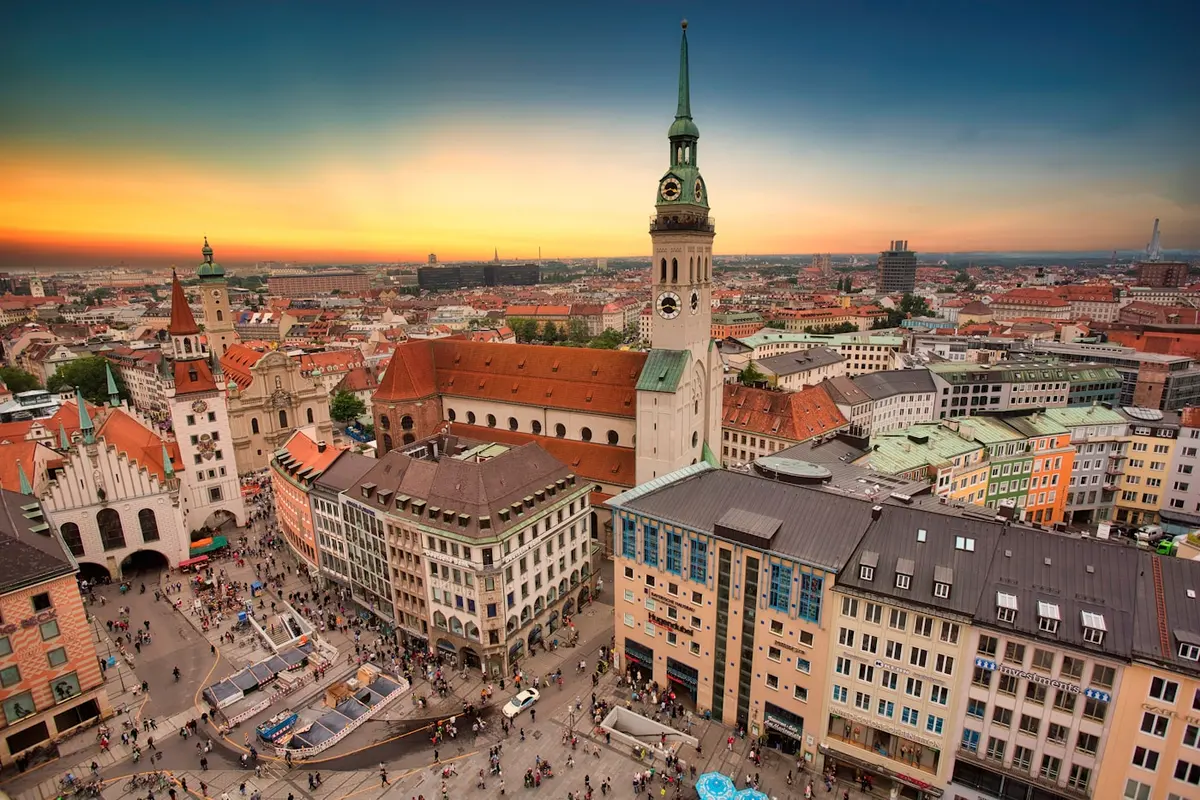
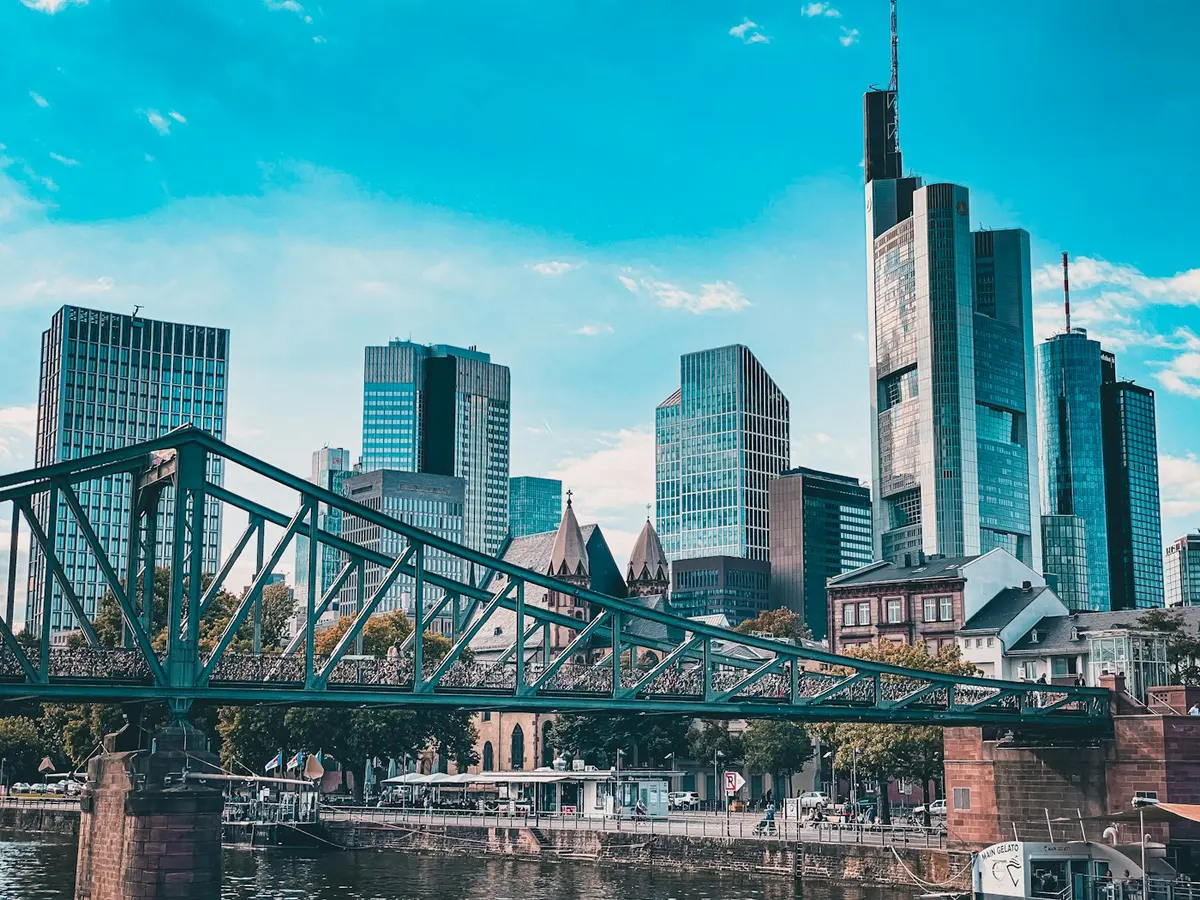
Berlin, Munich, Hamburg, Frankfurt, Cologne, and Heidelberg offer the widest program variety. Berlin is the most international and cosmopolitan. Munich has the strongest job market in technology and engineering. Cities like Hannover, Dresden, Stuttgart, and Freiburg have excellent universities with lower living costs than the major cities.
For English-language programs, international master's degrees at Humboldt, LMU München, Heidelberg, Mannheim, or Frankfurt are a common entry point without requiring fluent German. For full undergraduate degrees taught in German, the required language level (TestDaF or DSH) is high, and preparation typically adds a year.
Admission Process, Visa, and Language Requirements
The German admission process is institution-specific and in many cases requires going through Uni-Assist, a centralized platform that verifies the equivalence of foreign degrees before the university processes the application. For some nationalities, the APS (Akademische Prüfstelle) certificate is a prerequisite — currently standard for applicants from China, India, Vietnam, and some other Asian countries, but not typically required for Latin Americans.
The German student visa (Visum zu Studienzwecken) requires an admission letter, proof of sufficient funds (currently approximately €11,208 per year in a blocked account — Sperrkonto), health insurance, and language proficiency. Once in Germany, the visa converts to a residence permit (Aufenthaltserlaubnis) at the local Foreigners Office (Ausländerbehörde).
For German-language programs: TestDaF level 4 in all sections or DSH-2 is the standard university admission threshold. For English-language master's programs: IELTS 6.5–7.0 or equivalent TOEFL iBT, depending on the institution. Each program has its own requirements — checking the official program page directly is essential.
Living in Germany: Student Housing, Climate, and Day-to-Day
Student housing in Germany comes through two main channels: Studentenwerk residences (the most affordable, with long waitlists) or Wohngemeinschaft (WG) — shared apartments where each tenant has a private room and shares kitchen and bathroom. WG-Gesucht.de is the reference platform. Berlin's rental market gets competitive at certain times of year; cities like Leipzig, Dresden, or Bielefeld have more available options.
Public transit in Germany is efficient, and university cities include a semesterticket in the semester fee — this grants unlimited urban transport access with no extra cost. In many cities, the semesterticket extends to regional trains as well.
German winter (December–February) is cold and dark — a genuinely psychological factor for people arriving from tropical climates. Adjustment typically takes one or two winters. German summer, in contrast, is genuinely pleasant: mild temperatures, festivals, beer gardens, and an outdoor life rhythm that makes the grey months feel worthwhile.
How ApplySite Can Help with Germany
Studying in Germany is one of the most document-intensive processes: degree equivalency, Uni-Assist, blocked account, municipal registration (Anmeldung). ApplySite can help you understand the correct sequence and identify English-language or German-language programs that match your academic profile, at no extra cost.
An advisor can help you assess whether it makes sense to take a German language course before arriving, or whether an English-language master's is more appropriate for your current profile. They can also explain the Sperrkonto and mandatory health insurance requirements — the two steps where most Latin American students get stuck.
Tuition payments — minimal as they are at public universities — always go directly to the institution. Advisor consultations are free.
Work while you study
You may be allowed to work part-time
Up to 120 full days per year
Cost of living in Germany
Budgeting before you move to Germany is essential. Below are approximate monthly costs; figures vary by city and lifestyle.
Housing
€400 – €900/month
Food
€250 – €400/month
Transport
€80 – €100/month
Extras
€150 – €250/month
Student visa for Germany
To study in Germany you typically need National student visa (Type D). ApplySite guides you through the process.
Secure your place
Receive your official letter of acceptance for your visa application.
Gather documents
Passport, acceptance letter, proof of funds, photos and any country-specific forms.
Apply for your visa
Complete the official application and pay government fees.
Travel to Germany
Once approved, you are ready to start your international study journey.
Major cities in Germany
Germany has several cities with strong institutions, different living costs and student communities.



Programs in Germany
View all →Loading programs…
FAQs about studying in Germany
Costs depend on program and institution. Typical monthly living costs: housing €400 – €900/month, food €250 – €400/month, transport €80 – €100/month, extras €150 – €250/month. ApplySite helps you find options within your budget.
Language requirements depend on the program. Language courses often start from beginner level. Degree programs may require IELTS, TOEFL or equivalent scores.
Up to 120 full days per year Part-time work can offset living costs and build international experience.
Processing often takes 4–12 weeks depending on nationality and season. Start early. ApplySite can outline timelines for your case.
No. Searching, comparing and applying through ApplySite is free for students. We connect you directly with institutions — no agency commission.
Information subject to change
Visa rules, costs, work rights and study conditions can change. Last reviewed May 2026. Confirm with official sources or an ApplySite advisor. Figures are indicative only.