

Study in France
#3 university system in Europe
Home → Destinations → France Schools in this country →
Why study in France?
France — culture, art and gastronomy — offers excellent French programmes and globally ranked universities.
France’s Grandes Écoles and public universities attract students worldwide. Paris and regional cities combine academic rigour with European lifestyle.
France's higher education system has a structural duality that's important to understand: public universities (universités) are accessible, with low tuition (between €170 and €600 per year for non-EU students in most cases, though differentiated fees for non-EU students have been introduced in recent years) and oriented toward large-scale teaching with significant student autonomy. The Grandes Écoles — especially in management (HEC, ESSEC, ESCP, Audencia, Emlyon) and engineering (Polytechnique, Centrale, Arts et Métiers) — are selective institutions with smaller cohorts, more structured programs, and very strong industry ties. Understanding which option fits requires first understanding what kind of education and what kind of alumni network you're seeking.
France is the only country outside the English-speaking world that has managed to position itself as a reference destination for top-tier MBA and international business master's programs: HEC Paris, ESSEC, INSEAD, Edhec appear in global rankings alongside Wharton, LBS, and IE. For Latin Americans with executive profiles or those seeking a top European alternative to US MBAs, France has a compelling argument that isn't always well articulated in the region. The language component (English or French) depends on the institution, but many of these programs operate primarily in English with French recommended as a second language.
The French government's Eiffel scholarship is an opportunity that many Latin American students don't know about: the Programme de Bourses d'Excellence Eiffel is specifically designed to attract the best international students to French master's and doctoral programs, with monthly allowance, housing, and health insurance coverage. Applications are annual and deadlines are typically in January for the following academic year. It's a competitive process, but it's the most relevant and direct French government scholarship for foreign students outside Erasmus programs.
Capital
Paris
Languages
French
Currency
Euro (EUR)
Population
68 million
Climate
Temperate
Visa
Long-stay student visa (VLS-TS)
What Kind of Student Fits France?
France is the third most popular study destination in the world and has one of Europe's most varied higher education systems: public universities with comparatively low tuition, the storied Grandes Écoles in management and engineering, and specialized schools in fashion, gastronomy, cinema, and architecture that have no real equivalent elsewhere.
Language remains the main filter. For programs in French — where the lowest costs and most exclusive Grandes Écoles programs live — an advanced French level is required (DELF B2 as a minimum, C1 for selective programs). However, there's a growing catalog of master's and MBA programs fully in English at institutions like HEC Paris, ESCP, Emlyon, Grenoble École de Management, and Sciences Po, designed specifically for international students.
France fits students who have or are building French proficiency, business and management profiles with international ambitions, and those looking for the European cultural experience in its most distinctive form.
Paris, Lyon, Toulouse: Choosing City by Program
Paris concentrates the most globally recognized institutions: Sorbonne, Sciences Po, HEC, ESSEC, INSEAD (in Fontainebleau), École Polytechnique. But it's also France's most expensive city for housing. Lyon has a high concentration of top-tier business and technology schools (Emlyon, INSA Lyon, nearby Grenoble) with noticeably lower living costs.
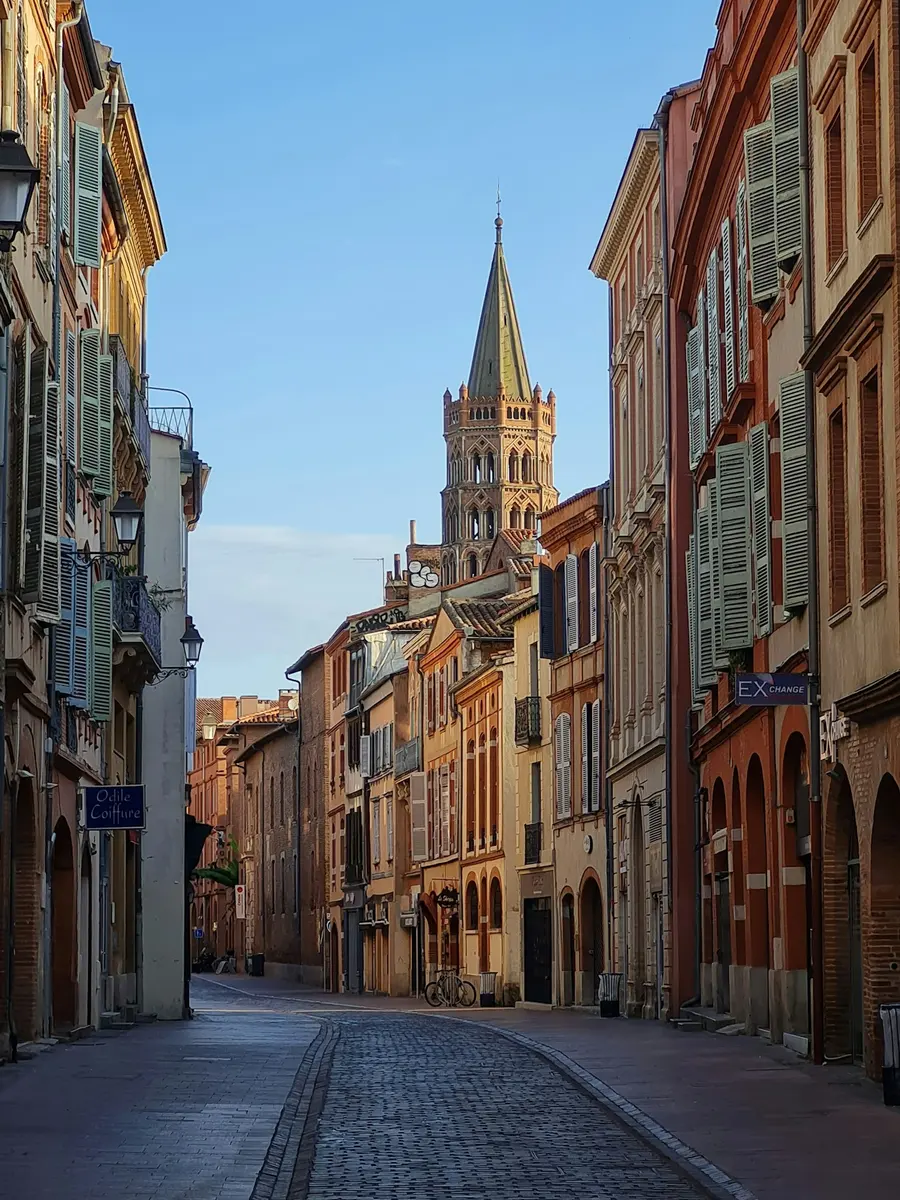
Toulouse has the best options for aeronautics and aerospace engineering — Airbus is headquartered there — with the Université Paul Sabatier and ISAE-SUPAERO. Bordeaux, Montpellier, and Nantes are mid-sized university cities with good quality of life, reasonable costs, and strong programs in medicine, law, humanities, and sciences.
For French as a foreign language (FLE) programs, language schools and Alliance Française university courses are available across France. Many Latin American students spend a semester in a regional city to build their French level before entering a degree or master's program.
Campus France Process, Calendar, and Language Requirements
In many Latin American countries, the application process for studying in France goes obligatorily through Campus France, the French government's official student mobility agency. The process includes registering on the platform, an interview at the local Institut Français, and document verification. Starting six to twelve months in advance is advisable.
The French academic year starts in September in two semesters. Public university enrollment follows its own calendar, often closing applications in January or February for the September start. The Grandes Écoles have their own admission processes, generally more rigorous.
For French-language programs: DELF B2 or equivalent TCF/TEF. For English-language programs at international schools: IELTS or TOEFL per program requirements. The DELF/DALF certification system is issued by the French Ministry of Education and has lifelong recognition.
Living in France: Housing, Transit, and Daily Life
Housing is the most common challenge for international students in France. CROUS (university and school welfare centers) manage very affordable student residences — accessible through the Parcoursup platform or directly on each CROUS website — but demand far exceeds supply, especially in Paris. The standard alternative is shared housing (colocation), which is common across all university cities.
French public transport is excellent in medium and large cities: Paris metro (with reduced fares for the Navigo Jeune card), trams, buses, and a TGV high-speed rail network that connects major cities in very short times. Students under 26 have access to meaningful discounts on intercity travel.
Day-to-day life in France has genuine quality: accessible gastronomy (local markets are affordable), a world-class public health system, and a culture of cafes, museums, and outdoor life that makes the student experience genuinely rich beyond the classroom.
Applying to France Through ApplySite
ApplySite can guide you in selecting programs in France — especially business schools and English-language programs — at no extra cost. Tuition always goes directly to the institution.
Since the Campus France process in Latin America is mandatory for many students and can be complex, an advisor can walk you through what to prepare before your interview and how to correctly document your academic record for the application.
If you're considering France and have questions about your current French level or about which institution type fits you (public university vs. Grande École vs. private business school), an early advisor consultation can save meaningful time and focus your effort more effectively.
Work while you study
You may be allowed to work part-time
Up to 964 hours/year while studying
Cost of living in France
Budgeting before you move to France is essential. Below are approximate monthly costs; figures vary by city and lifestyle.
Housing
€600 – €1,200/month
Food
€300 – €500/month
Transport
€80 – €100/month
Extras
€200 – €300/month
Student visa for France
To study in France you typically need Long-stay student visa (VLS-TS). ApplySite guides you through the process.
Secure your place
Receive your official letter of acceptance for your visa application.
Gather documents
Passport, acceptance letter, proof of funds, photos and any country-specific forms.
Apply for your visa
Complete the official application and pay government fees.
Travel to France
Once approved, you are ready to start your international study journey.
Major cities in France
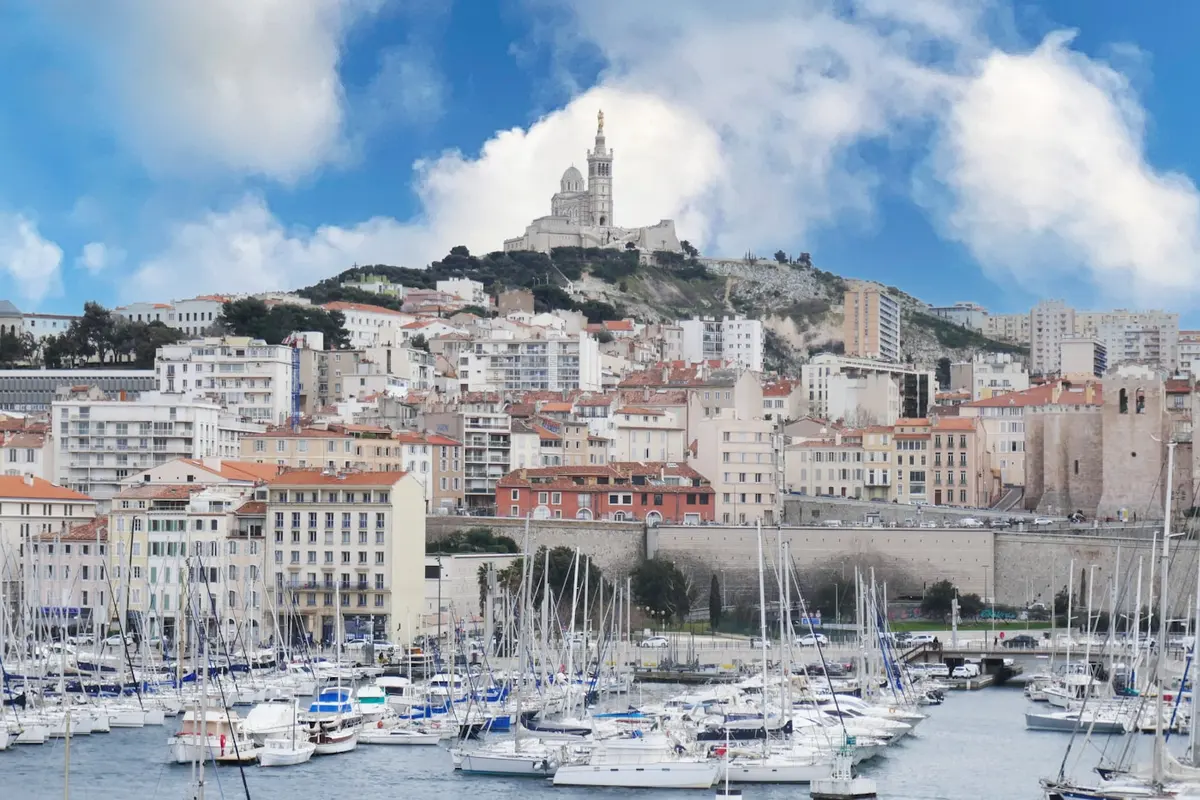
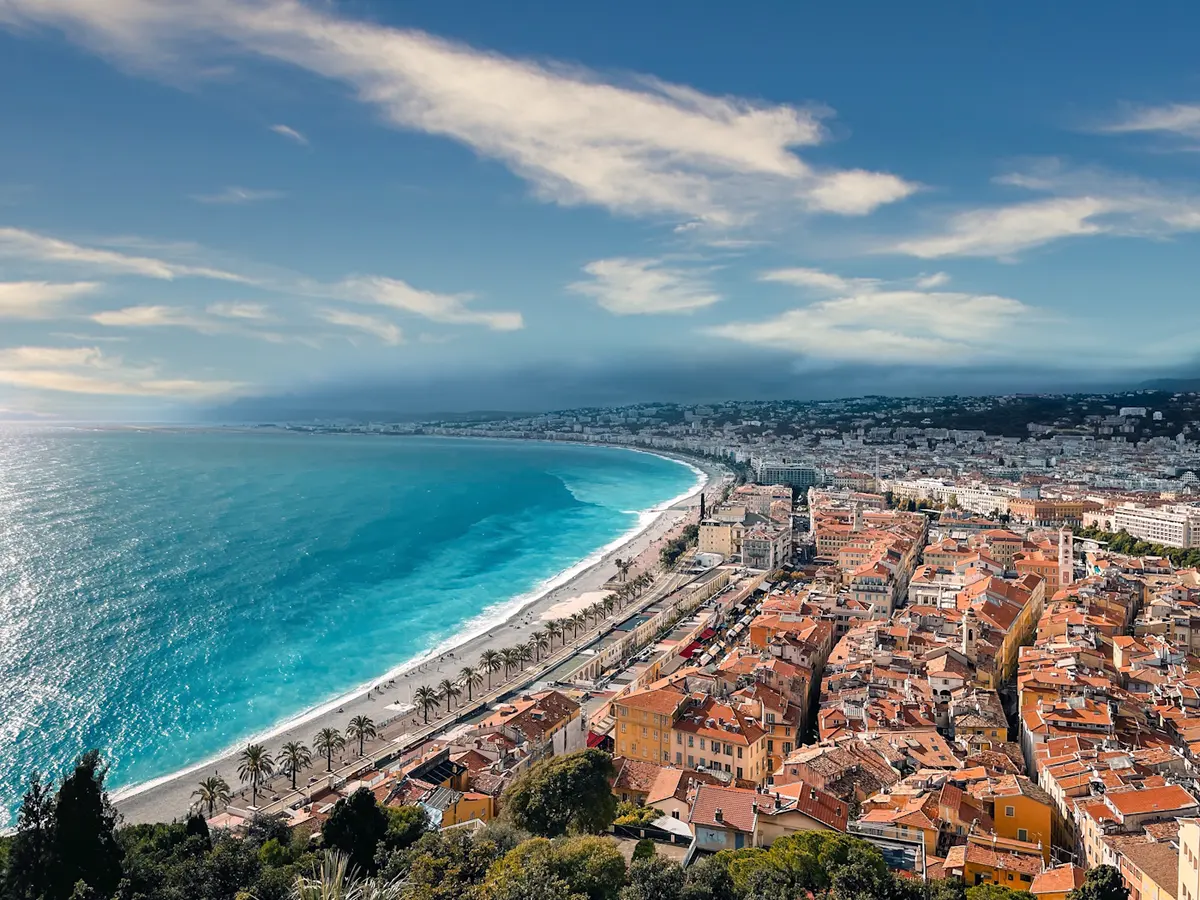
France has several cities with strong institutions, different living costs and student communities.



Programs in France
View all →Loading programs…
FAQs about studying in France
Costs depend on program and institution. Typical monthly living costs: housing €600 – €1,200/month, food €300 – €500/month, transport €80 – €100/month, extras €200 – €300/month. ApplySite helps you find options within your budget.
Language requirements depend on the program. Language courses often start from beginner level. Degree programs may require IELTS, TOEFL or equivalent scores.
Up to 964 hours/year while studying Part-time work can offset living costs and build international experience.
Processing often takes 4–12 weeks depending on nationality and season. Start early. ApplySite can outline timelines for your case.
No. Searching, comparing and applying through ApplySite is free for students. We connect you directly with institutions — no agency commission.
Information subject to change
Visa rules, costs, work rights and study conditions can change. Last reviewed May 2026. Confirm with official sources or an ApplySite advisor. Figures are indicative only.