
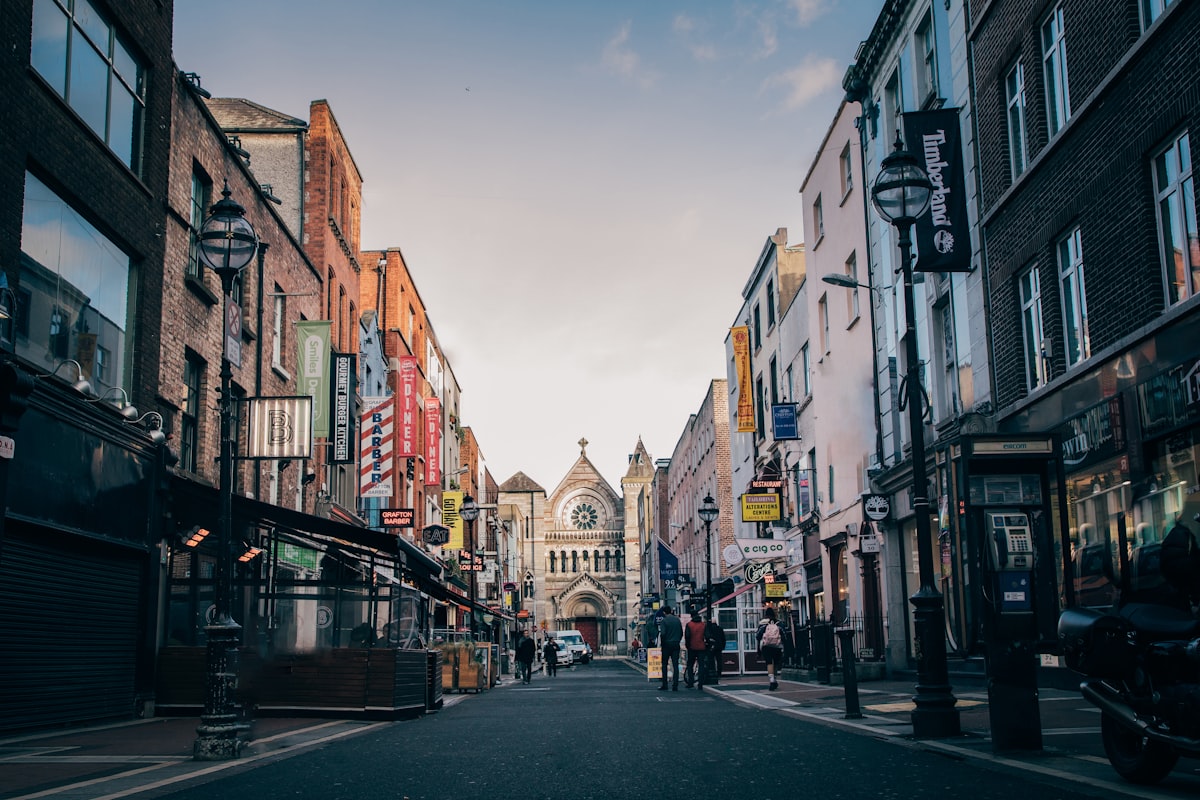
Study in Ireland
#1 quality of life in Europe (student favourite)
Home → Destinations → Ireland Schools in this country →
Why study in Ireland?
Ireland is one of Europe’s friendliest English-speaking destinations — welcoming culture, vibrant cities and excellent language schools.
Ireland combines high-quality English education with EU access and a strong tech sector. Dublin is a major European hub for international students and graduates.
Ireland holds a unique position in the global English-language education landscape: it is the only English-speaking country in the European Union, with full access to the European single market. For Latin American students looking to build a career in Europe while studying in English, this combination is hard to match. Business, technology, and finance programs at institutions like UCD Smurfit or TU Dublin have direct links to Dublin's multinational ecosystem — Google, Meta, LinkedIn, Pfizer, Lilly, AstraZeneca — creating concrete networking and internship opportunities for international students.
Ireland's education system is regulated by QQI (Quality and Qualifications Ireland), which manages the National Framework of Qualifications (NFQ) with ten levels. Irish degrees carry full recognition across the EU and in most countries with bilateral recognition agreements. For Latin Americans planning to revalidate their degree in their home country, processing the equivalency of an Irish degree is generally more straightforward than for degrees from non-EU countries.
One practical aspect that many Latin American students don't anticipate about Ireland: Dublin's housing market in recent years has been among the most difficult in all of Europe. Demand from international students, tech workers, and local residents far exceeds supply. Many students have faced genuine difficulties finding accommodation before arriving. The practical recommendation is to secure housing — university residence or a private room — before buying the flight, and not to assume it can be sorted on arrival.
Capital
Dublin
Languages
English, Irish
Currency
Euro (EUR)
Population
5 million
Climate
Temperate / Rainy
Visa
Study permission / student visa
Why Ireland Works for Latin American Students
Ireland is the only EU country where English is the primary language of instruction across virtually all academic programs. That makes it uniquely positioned: you can study in English within a European framework, earn an EU-recognized degree, and — with the Irish student visa (Stamp 2) — work up to 20 hours per week during term time and 40 hours during holidays.
Dublin concentrates most of the academic offering — including universities like Trinity College Dublin, UCD, and DCU — but is also the most expensive city. Galway, Cork, and Limerick offer lower costs and high academic quality. For students arriving to complete a master's or an English course before a degree program, Ireland has well-established pathways.
Access to the European job market is a real draw for many Latin Americans considering Ireland. The concentration of tech and pharma multinationals based in Dublin — Google, Meta, Pfizer, Lilly — makes internships and first jobs in specific sectors genuinely achievable for international graduates.
Dublin or the Regions: The Decision That Changes Your Budget
Dublin has clear advantages: more institutions, more employment sectors accessible during study, and a very active international student community. It also has clear disadvantages: housing is scarce and expensive, and the cost of living rivals London in several categories. If the program you want exists in Cork, Limerick, or Galway, the comparison is worth making seriously.
For English language programs (ESL or IELTS preparation), Dublin has dozens of accredited schools; many students follow this path before entering a university or postgraduate program. Accreditation from Quality and Qualifications Ireland (QQI/ACELS) is the quality mark for this type of center.
In terms of programs, Ireland has a strong offering in information technology, digital marketing, international finance, and health sciences. One-year MSc and MBA programs at institutions like UCD Smurfit or TU Dublin have documented employment outcomes and are relatively well known among Latin American students.
Calendar, Visa, and Language Requirements
The Irish university year starts in September and runs in two semesters. English language programs generally have monthly or trimestral intakes. The Irish student visa (Stamp 2) is applied for before arrival through the Irish Embassy or Consulate. Once in the country, students must register with the Garda National Immigration Bureau (GNIB) and obtain an IRP (Irish Residence Permit) within a set timeframe.
Ireland is not part of the Schengen Area — it is an EU member but outside the common travel zone — so an Irish student visa does not grant free travel across continental Europe without additional documentation.
For language requirements, Irish universities follow patterns similar to the UK: IELTS 6.0–6.5 for undergraduate, 6.5–7.0 for postgraduate depending on the program. English language schools use Cambridge certifications and institution-specific placement tests.
Life in Ireland: Housing, Climate, and Getting Around
Housing is the biggest practical challenge of studying in Ireland, particularly in Dublin. Demand far exceeds supply and shared room prices can be steep. Many students apply to university residences before arriving and search for private accommodation simultaneously. Daft.ie and Rent.ie are the most-used platforms for private rentals.
Transport in Dublin runs on buses (Leap Card for reduced fares), the LUAS tram, and the DART train service along the coast. The system is functional, though not as nimble as the metro systems of other European capitals. In Galway and Cork, many students walk or cycle as their main mode of transport.
Irish weather is famously unpredictable and rainy: cool throughout the year, with mild summers and no extreme heat or cold. For Latin American students used to warmth, it's a real adjustment — waterproof layers from day one are not optional.
Applying to Ireland Through ApplySite
ApplySite works with accredited Irish institutions and can help you navigate the admission process at no extra cost. Tuition is always paid directly to the school.
An advisor can walk you through the correct sequence: admission → offer letter → visa application → IRP registration. They can also explain the practical differences between Dublin programs and options in other Irish cities, and help you assess whether a preliminary English course makes sense for your specific situation.
If you're weighing Ireland against another English-speaking destination, an advisor can offer an honest comparative analysis based on your profile and goals. There's no commitment required at any point during the consultation.
Work while you study
You may be allowed to work part-time
Up to 20 hours/week during studies
Cost of living in Ireland
Budgeting before you move to Ireland is essential. Below are approximate monthly costs; figures vary by city and lifestyle.
Housing
€800 – €1,400/month
Food
€300 – €500/month
Transport
€120 – €150/month
Extras
€200 – €300/month
Student visa for Ireland
To study in Ireland you typically need Study permission / student visa. ApplySite guides you through the process.
Secure your place
Receive your official letter of acceptance for your visa application.
Gather documents
Passport, acceptance letter, proof of funds, photos and any country-specific forms.
Apply for your visa
Complete the official application and pay government fees.
Travel to Ireland
Once approved, you are ready to start your international study journey.
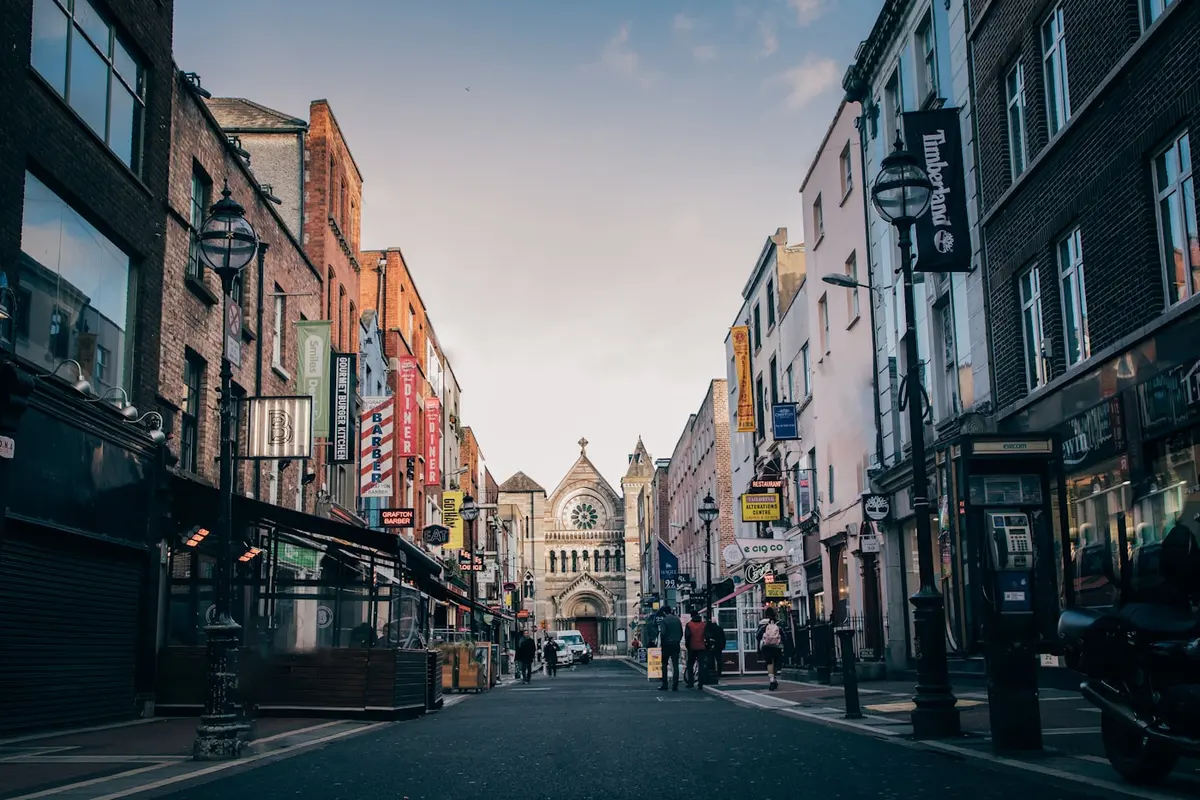
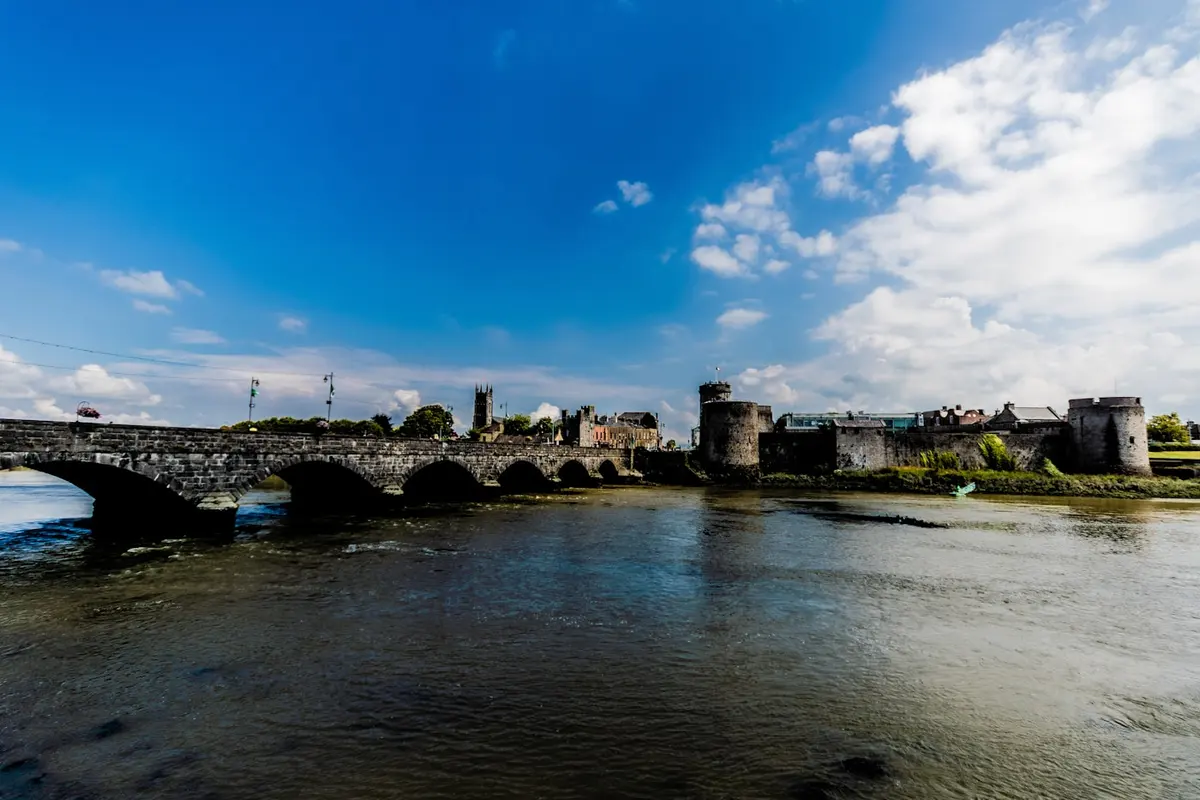
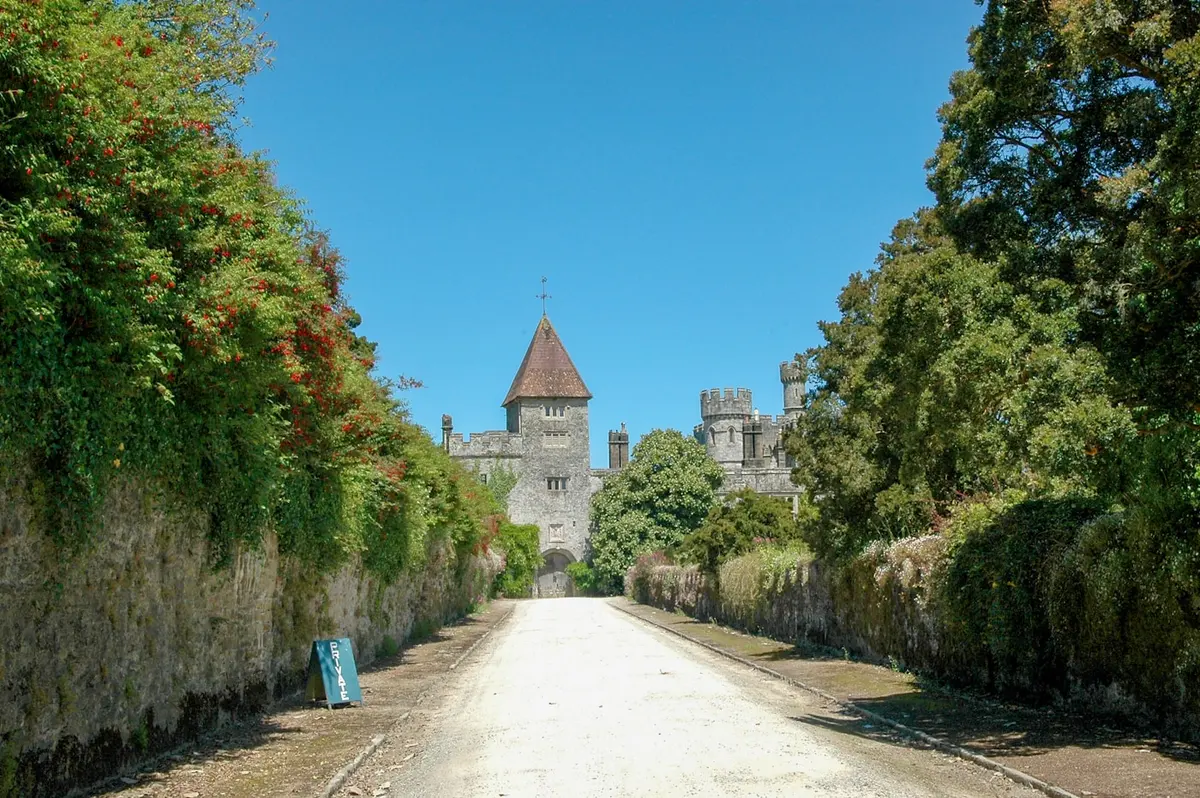
Major cities in Ireland
Ireland has several cities with strong institutions, different living costs and student communities.


Programs in Ireland
View all →Loading programs…
FAQs about studying in Ireland
Costs depend on program and institution. Typical monthly living costs: housing €800 – €1,400/month, food €300 – €500/month, transport €120 – €150/month, extras €200 – €300/month. ApplySite helps you find options within your budget.
Language requirements depend on the program. Language courses often start from beginner level. Degree programs may require IELTS, TOEFL or equivalent scores.
Up to 20 hours/week during studies Part-time work can offset living costs and build international experience.
Processing often takes 4–12 weeks depending on nationality and season. Start early. ApplySite can outline timelines for your case.
No. Searching, comparing and applying through ApplySite is free for students. We connect you directly with institutions — no agency commission.
Information subject to change
Visa rules, costs, work rights and study conditions can change. Last reviewed May 2026. Confirm with official sources or an ApplySite advisor. Figures are indicative only.