

Study in Japan
#2 global innovation hub
Home → Destinations → Japan Schools in this country →
Why study in Japan?
Japan blends cutting-edge technology with ancient culture — leading universities in research and innovation.
Japan offers unique student life: safe cities, seasonal culture and growing English-taught programmes alongside Japanese-language pathways.
Japan's university system is dominated by national universities (kokuritsu daigaku), led by the University of Tokyo and Kyoto University, followed by local public universities (kōritsu) and private universities (shiritsu). The prestige of national universities in Japan is extraordinarily high — a degree from Todai or Kyodai opens doors at Japanese companies in a way without parallel in other systems. For international students, the prestige difference between institution types is real but nuanced when applied to job markets outside Japan: specialization and language matter most.
The work system in Japan for international graduates has important particularities. Large Japanese companies hire primarily through a new-graduate recruitment process (shinsotsu saiyō) that starts in the third year of university and strongly favors Japanese fluency. For international graduates who don't speak Japanese at a professional level, the job market narrows considerably — though there are niches in multinationals with Japanese operations, tech startups, education (English as a foreign language), and the growing tourism sector. The designated activity visa and the highly skilled professional visa are the main post-study pathways for those who want to stay.
On Japanese academic culture for Latin Americans: the Japanese education system strongly values attendance, visible effort, and respect for hierarchy — sensei (professor), senpai (senior student), kōhai (junior student) — in ways that can be very different from the more horizontal and conversational style of many Latin American universities. At the same time, Japanese universities have extremely active student associations (circle clubs) in every domain — sports, arts, languages, music — that are the standard route for social integration and forming Japanese friendships. For the first six months, investing time in actively participating in these clubs is one of the best decisions an international student can make.
Capital
Tokyo
Languages
Japanese, English
Currency
Japanese Yen (JPY)
Population
125 million
Climate
Four seasons
Visa
Student visa
Who Should Seriously Consider Japan?
Japan is a destination that rewards genuine commitment to the Japanese language to access its full benefits — but it offers something genuinely different from all other destinations: a rigorous academic culture, a functional and advanced urban lifestyle, and a position as a technology and industrial hub in East Asia with concrete career implications for those working in technology, design, animation, robotics, materials science, or international business with an Asian focus.
English-taught undergraduate and master's programs have grown significantly over the past decade, particularly at national elite universities (University of Tokyo, Kyoto University, Osaka, Tohoku, Nagoya) and private institutions like Waseda and Keio. For students who don't speak Japanese, entering through an English-language program is viable — though daily life outside campus in many cities requires at least basic Japanese.
Japan fits particularly well for students who have or plan to develop Japanese, for those pursuing a master's or doctorate in exact sciences or engineering, and for those seeking a culturally transformative life experience unlike any other destination.
Tokyo, Kyoto, Osaka: Choosing City and Institution Type
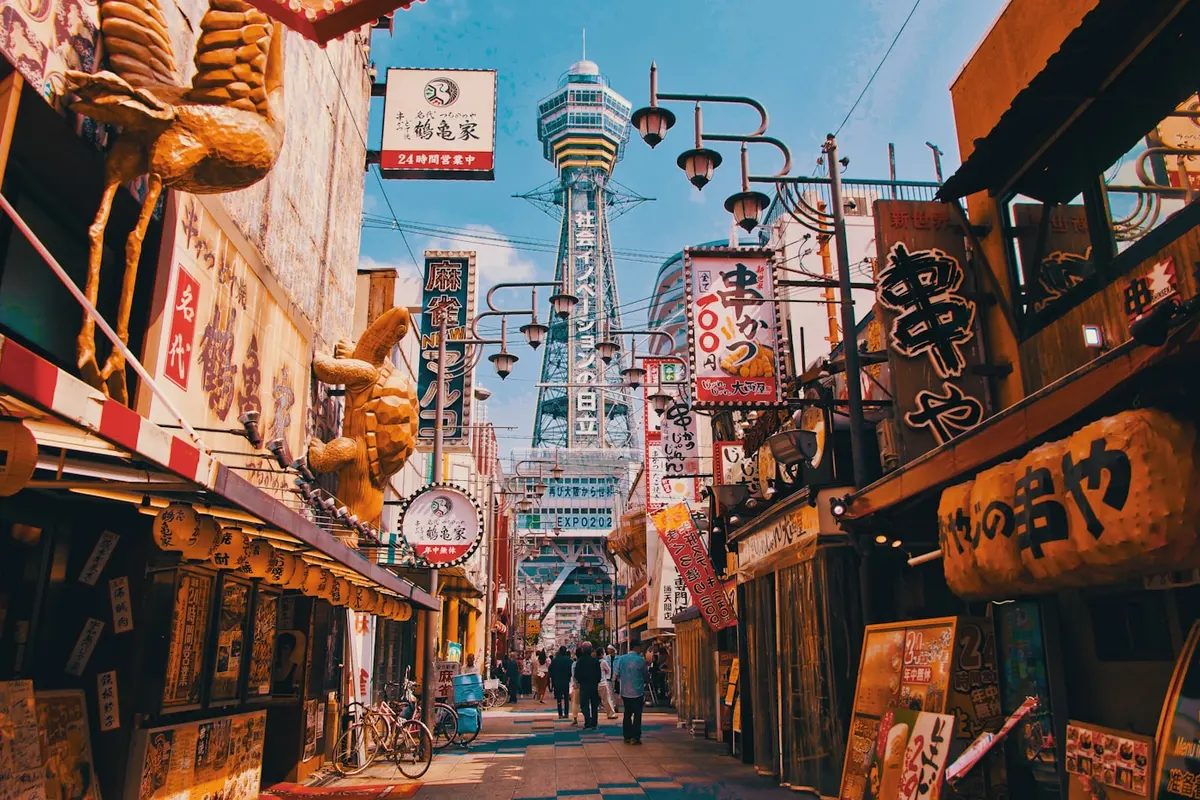
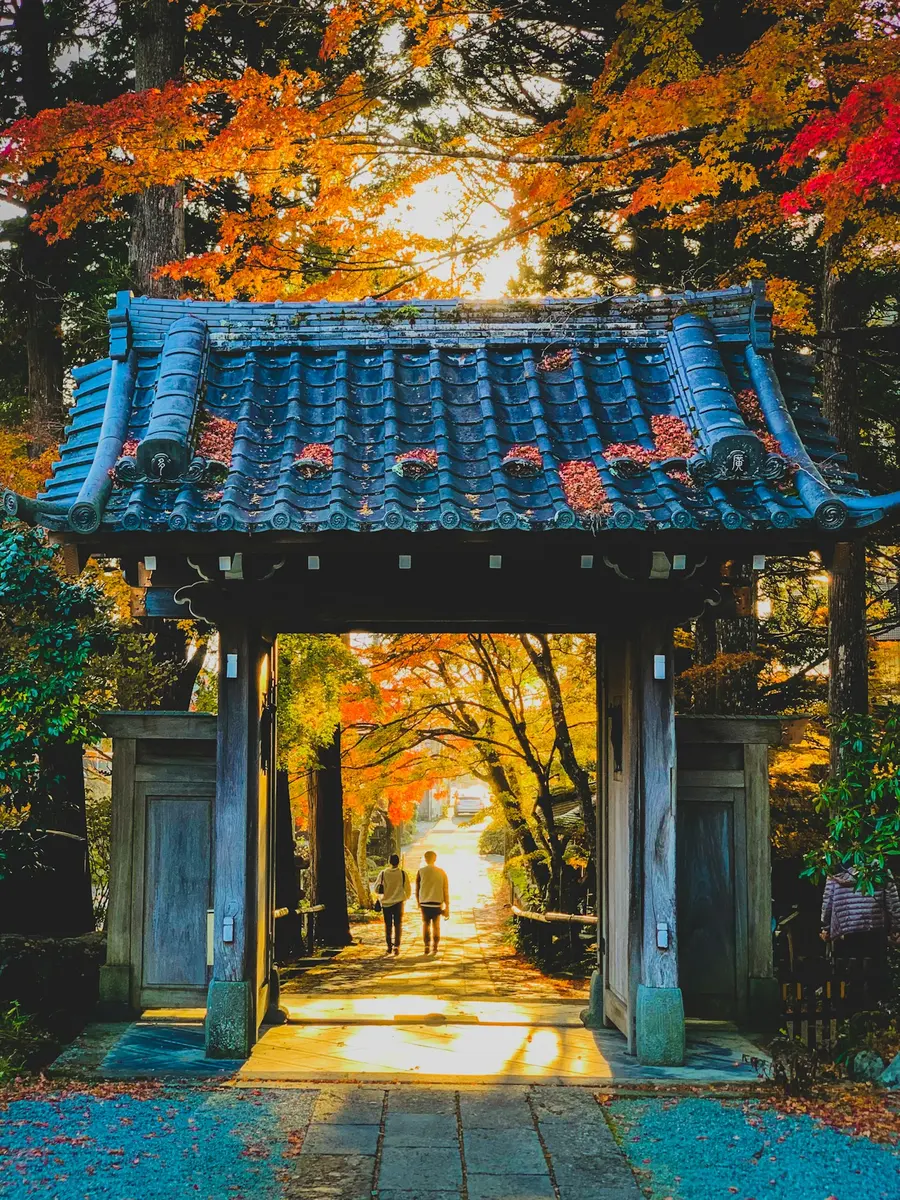
Tokyo concentrates most of Japan's top universities: University of Tokyo (Todai), Waseda, Keio, Tokyo Tech, Hitotsubashi. It's the most expensive city but the most connected for international employment, tech startups, and access to multinational corporations with Japanese headquarters. Kyoto houses the country's second most prestigious university (Kyoto University) and has an incomparable cultural atmosphere — more traditional and quieter than Tokyo.
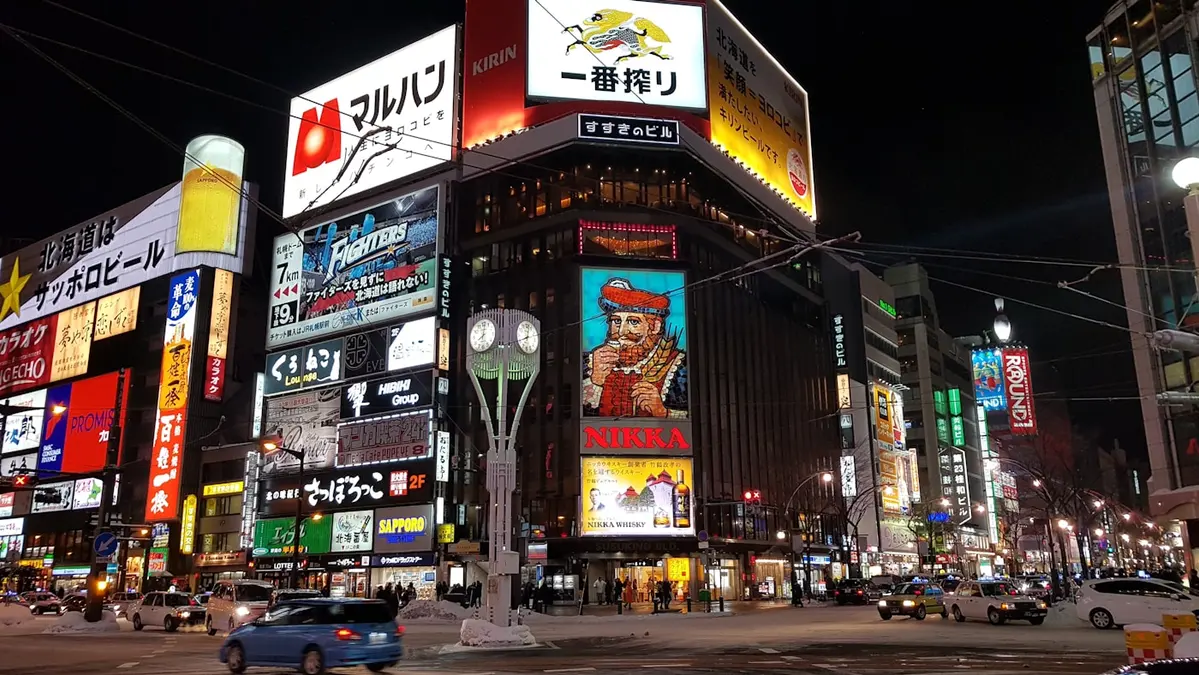
Osaka and Kobe are cities with top-tier universities (Osaka University, Kobe University) and a more informal, gastronomic feel than the capital. Fukuoka, in the south, has emerging universities with English-language programs and lower living costs. Sendai, Nagoya, and Sapporo also have strong national universities in the sciences.
For Japanese language schools (nihongo gakko), Tokyo and Osaka have the widest concentration. A year of Japanese language study before entering university is the standard route for students who arrive without a foundation.
Japan's Academic Calendar, Student Visa, and MEXT Scholarships
Japan's academic year starts in April, setting it apart from almost all other destinations. Many English-language programs have adopted a second September/October intake to facilitate access for international students. Japanese language school intakes are generally in January and April.
The Japanese student visa requires a Certificate of Eligibility (COE) issued by the university in Japan. The COE is processed three to four months in advance and is the central document of the visa process. Once the COE is obtained, the actual visa processing at the Japanese consulate is generally fast.
The Japanese government offers the MEXT (Monbukagakusho) scholarship — one of the world's most comprehensive study grants for international students, covering tuition, accommodation, and living expenses. Deadlines and processes vary by country. The Japan Student Services Organization (JASSO) and many prefectures also offer additional scholarships. Part-time work (arubaito) is permitted up to 28 hours per week for student visa holders.
Living in Japan: Housing, Transport, and Adjustment
Student housing in Japan is generally managed by the university itself (international dormitories / kokusai gakusei ryō) or through organizations like JASSO. Private rental in Japan has historically had barriers for foreigners (guarantors, deposits, reference systems), though this has improved in recent years with more English-language services available.
Japan's public transport system is famously punctual and dense: trains, metro, shinkansen (bullet train), and buses form a network covering virtually the entire country with remarkable precision. For day-to-day university life, cycling is also very common and well integrated into the culture of many cities.
Adjusting to Japan has its distinctive aspects: language is a real barrier outside tourist zones, social rituals and etiquette have their own unwritten rules, and the academic work pace can be intense. At the same time, Japan is consistently ranked among the world's safest countries, and the quality of infrastructure, public health, and food is genuinely high.
Studying in Japan with ApplySite's Support
ApplySite can guide you in selecting Japanese language schools and English-language university programs in Japan at no extra cost. The Certificate of Eligibility process and institution-specific requirements can be complex, and an advisor can help you understand the correct sequence and realistic timelines.
Japan typically requires longer planning than other destinations — especially for April intakes. If you're considering the MEXT scholarship, an advisor can orient you on deadlines and the country-specific process, though government scholarships go through independent official channels.
Tuition payments always go directly to the institution. Advisor consultations are free.
Work while you study
You may be allowed to work part-time
Up to 28 hours/week while studying
Cost of living in Japan
Budgeting before you move to Japan is essential. Below are approximate monthly costs; figures vary by city and lifestyle.
Housing
¥60,000 – ¥120,000/month
Food
¥30,000 – ¥50,000/month
Transport
¥10,000 – ¥15,000/month
Extras
¥20,000 – ¥30,000/month
Student visa for Japan
To study in Japan you typically need Student visa. ApplySite guides you through the process.
Secure your place
Receive your official letter of acceptance for your visa application.
Gather documents
Passport, acceptance letter, proof of funds, photos and any country-specific forms.
Apply for your visa
Complete the official application and pay government fees.
Travel to Japan
Once approved, you are ready to start your international study journey.
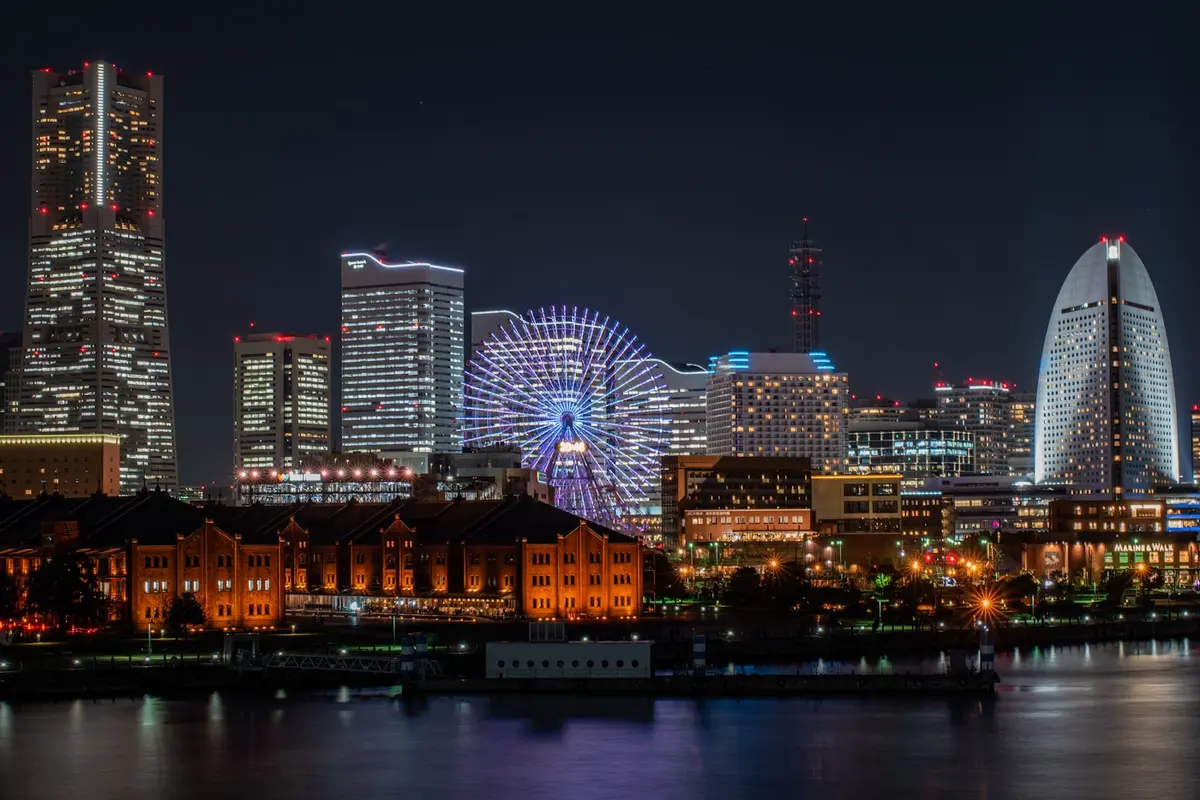
Major cities in Japan
Japan has several cities with strong institutions, different living costs and student communities.

Programs in Japan
View all →Loading programs…
FAQs about studying in Japan
Costs depend on program and institution. Typical monthly living costs: housing ¥60,000 – ¥120,000/month, food ¥30,000 – ¥50,000/month, transport ¥10,000 – ¥15,000/month, extras ¥20,000 – ¥30,000/month. ApplySite helps you find options within your budget.
Language requirements depend on the program. Language courses often start from beginner level. Degree programs may require IELTS, TOEFL or equivalent scores.
Up to 28 hours/week while studying Part-time work can offset living costs and build international experience.
Processing often takes 4–12 weeks depending on nationality and season. Start early. ApplySite can outline timelines for your case.
No. Searching, comparing and applying through ApplySite is free for students. We connect you directly with institutions — no agency commission.
Information subject to change
Visa rules, costs, work rights and study conditions can change. Last reviewed May 2026. Confirm with official sources or an ApplySite advisor. Figures are indicative only.