

Study in Malta
#1 most affordable English study in Europe
Home → Destinations → Malta Schools in this country →
Why study in Malta?
Malta is one of Europe’s most affordable English-learning hubs — Mediterranean climate, rich history and accredited language schools.
Malta offers EAQUALS- and British Council–recognised English schools, sunshine year-round and a compact island lifestyle popular with international students.
Malta is part of the European Higher Education Area through the Bologna Process, meaning its university degrees are structured within the standard European bachelor-master-doctorate framework and carry recognition across Bologna member countries. For Latin Americans considering Malta as an academic gateway to Europe, this degree equivalence within the European framework is a concrete positive point.
English in Malta has a particular colonial history: it was a British colony until 1964, and English remains the second official language alongside Maltese — the only Semitic language in the EU written in the Latin alphabet. This dual linguistic identity makes Malta genuinely bilingual, not just in academic institutions but on the street, in the media, and in government. This gives English students a real immersion environment that is culturally contextualized. For Latin American students, a relevant detail: Maltese culture has deep Mediterranean influences — Italian, Arab, Sicilian — that make the human environment familiar in many respects: the importance of family, Mediterranean pace, hospitality. This cultural proximity eases adjustment without reducing the internationalization experience.
An underrated advantage of studying in Malta is the geographic position: the archipelago is less than two hours by plane from most major European cities, with cheap flights from Ryanair, easyJet, and Air Malta. For a student who has been in Malta for six months and wants to spend a weekend in Rome, Barcelona, or Athens, the logistics are direct and affordable. This makes Malta a very practical base for students who want to use their studies as a platform to explore Europe.
Capital
Valletta
Languages
English, Maltese
Currency
Euro (EUR)
Population
520,000
Climate
Mediterranean / Sunny
Visa
EU students: no visa / others: student permit
Studying in Malta: A Little-Known English-Language EU Gateway
Malta is the smallest country in the European Union and one of the few where English is an official language alongside Maltese. For Latin American students looking to study in English within Europe — with Schengen access and a cost of living noticeably below northern Europe — Malta occupies a genuine niche.
The destination is especially popular for intensive English programs (Cambridge preparation, IELTS, general or business English) of short to medium duration. It also has accredited university offerings at the University of Malta and MCAST (Malta College of Arts, Science and Technology), with degree and master's programs in business, tourism, technology, and healthcare.
Studying in Malta works well if the goal is combining English training with a European experience and perhaps a period of work or networking from a base with access to the whole continent. It isn't the destination for those seeking globally ranked university names or the widest master's program variety.
Schools and Universities: Malta's Compact Academic Map
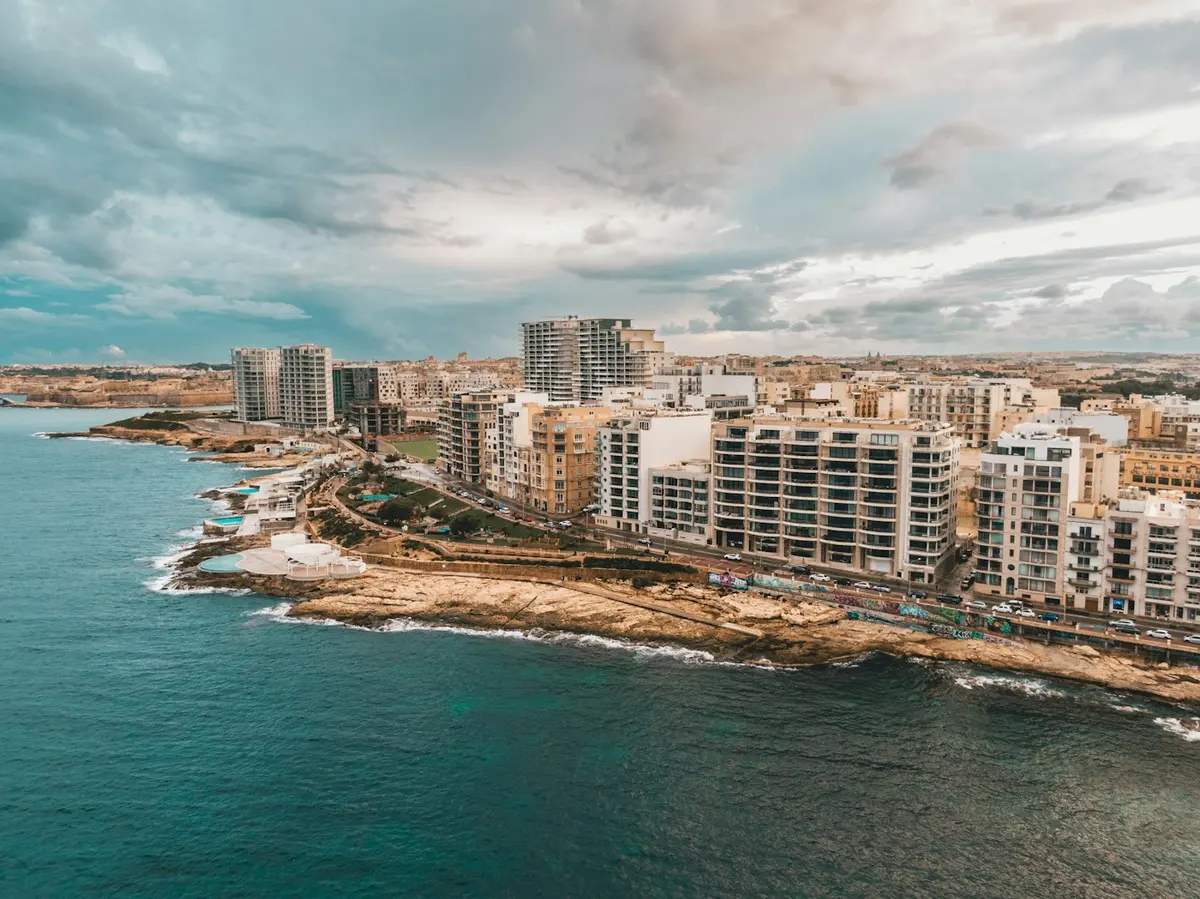
Malta is geographically tiny — 267 km² — so choosing a location is more about neighborhood than real distance. Sliema and St. Julian's are the centers of student and youth activity, with the highest concentration of English language schools. Valletta, the capital, is historic and central. St. Paul's Bay and Mellieha are quieter and used for residential or junior programs.
The University of Malta (in Msida, near Valletta) is the only public university and offers a range of English-language undergraduate and postgraduate programs. For vocational and technical studies, MCAST is the alternative. Language schools are numerous, and most are accredited by the Malta Tourism Authority (MTA) or FELTOM (Federation of English Language Teaching Organisations Malta), which ensures minimum quality standards.
Malta also hosts campuses of international institutions like Eurocentres, EC Malta, and International House. For Cambridge certifications, several schools are official examination centers.
Intakes, Visa, and Language Requirements
English language schools in Malta have practically weekly or bi-weekly intakes throughout the year, making the country very flexible for last-minute planning. University programs have an annual intake in October, with some master's exceptions in January.
The Maltese student visa depends on program duration. Programs under 90 days fall under the Schengen tourist or short-stay visa framework — no specific student visa required. For programs longer than 90 days, a student residence permit is processed through Identity Malta Agency.
There is no formal English entry level for language courses — placement is determined by a test on arrival. For the University of Malta, requirements mirror other European universities: IELTS 6.0–6.5 for undergraduate, 6.5–7.0 for postgraduate depending on program.
Living in Malta: Housing, Mediterranean Climate, and Island Life
Student housing in Malta is mostly private apartments or school-managed student residences. Homestays — living with a Maltese family — are widely used for short language programs: they include breakfast and dinner, facilitate immersion, and are arranged directly through the school.
Malta's Mediterranean climate is one of the sunniest in Europe: hot, dry summers (30–35°C) and mild, rainy winters. For Latin American students, it's an intuitive and comfortable climate for most of the year, though the summer heat can be intense for those not used to a dry heat.
Malta is small and public buses connect the entire island. There are no trains, but most destinations are under 45 minutes by bus. Quality of life is high, the food is excellent (Mediterranean, Italian, and North African influences), and cheap European flights from Valletta airport are a genuine advantage for those wanting to explore the continent.
Applying to Malta Through ApplySite
ApplySite can help you select a language school or university program in Malta at no extra cost. Payment goes directly to the institution. Most admission processes in Malta are relatively straightforward, particularly for short English courses.
If you have questions about which visa type you need based on program duration, or which certification is more useful for your goals — Cambridge B2/C1 vs. IELTS — an advisor can help you decide before booking.
Malta is a destination many Latin American students discover late but that genuinely deserves consideration if the combination of English, Europe, and Mediterranean climate matches what you're looking for.
Work while you study
You may be allowed to work part-time
Limited work rights during language courses
Cost of living in Malta
Budgeting before you move to Malta is essential. Below are approximate monthly costs; figures vary by city and lifestyle.
Housing
€500 – €900/month
Food
€200 – €350/month
Transport
€60 – €80/month
Extras
€150 – €250/month
Student visa for Malta
To study in Malta you typically need EU students: no visa / others: student permit. ApplySite guides you through the process.
Secure your place
Receive your official letter of acceptance for your visa application.
Gather documents
Passport, acceptance letter, proof of funds, photos and any country-specific forms.
Apply for your visa
Complete the official application and pay government fees.
Travel to Malta
Once approved, you are ready to start your international study journey.
Major cities in Malta
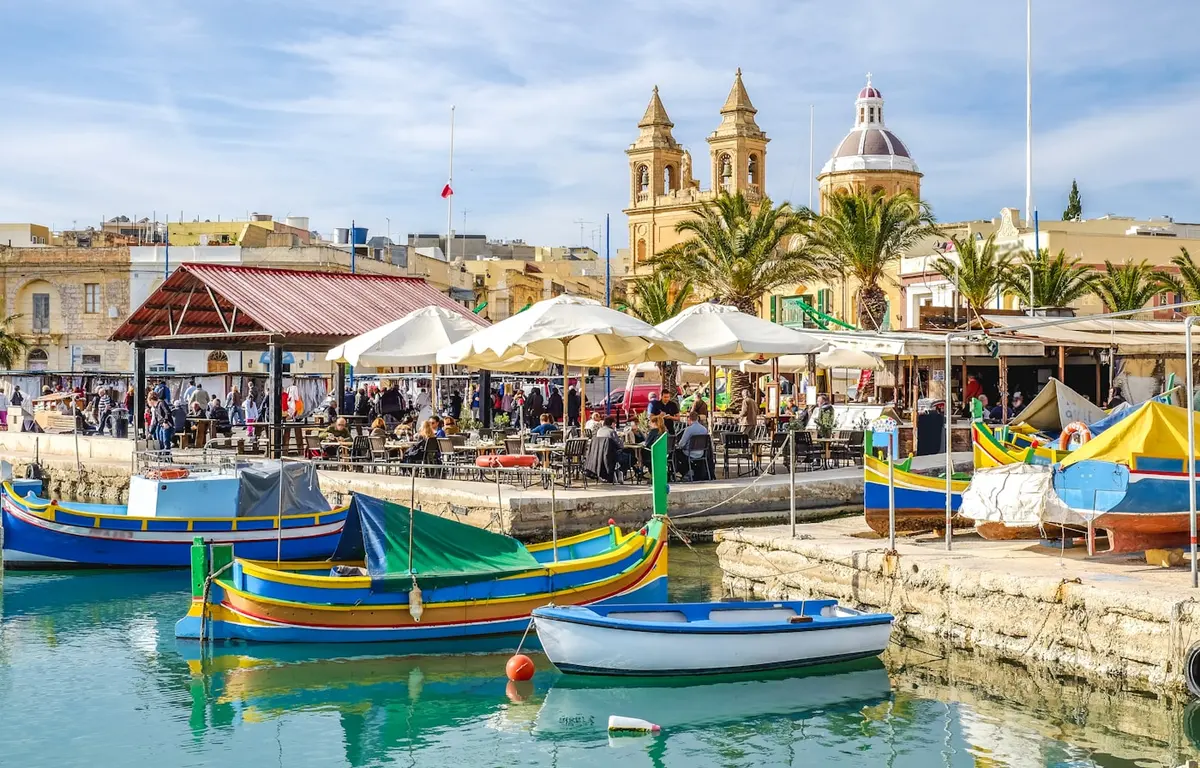
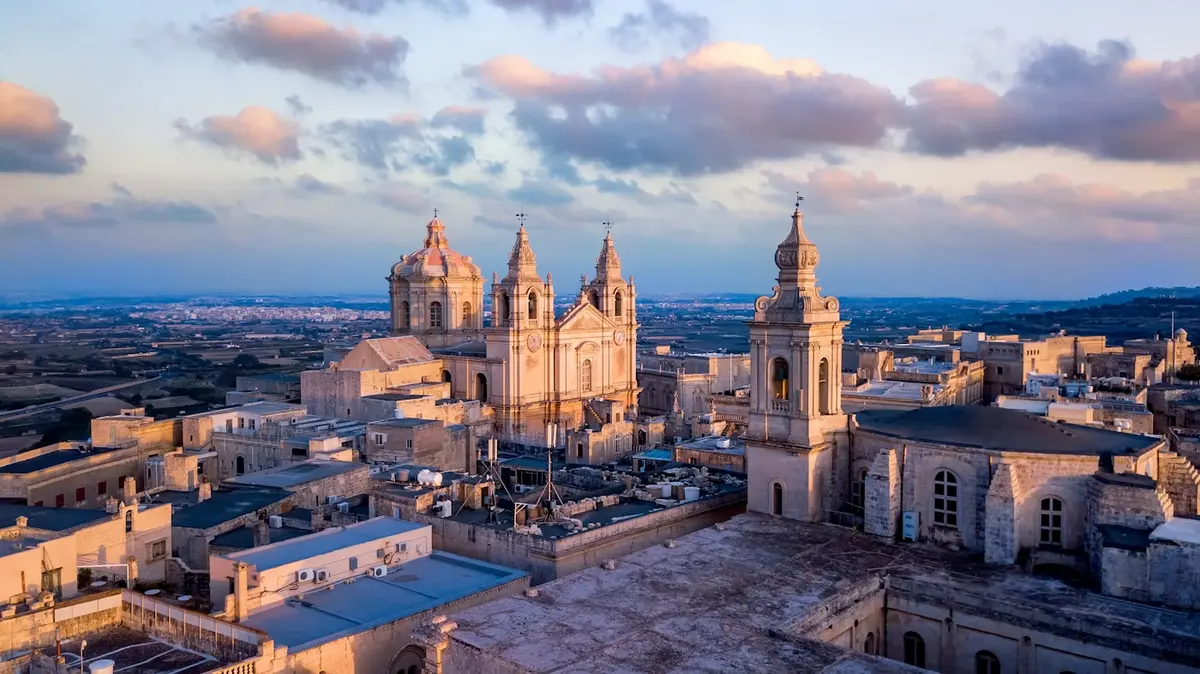
Malta has several cities with strong institutions, different living costs and student communities.

Programs in Malta
View all →Loading programs…
FAQs about studying in Malta
Costs depend on program and institution. Typical monthly living costs: housing €500 – €900/month, food €200 – €350/month, transport €60 – €80/month, extras €150 – €250/month. ApplySite helps you find options within your budget.
Language requirements depend on the program. Language courses often start from beginner level. Degree programs may require IELTS, TOEFL or equivalent scores.
Limited work rights during language courses Part-time work can offset living costs and build international experience.
Processing often takes 4–12 weeks depending on nationality and season. Start early. ApplySite can outline timelines for your case.
No. Searching, comparing and applying through ApplySite is free for students. We connect you directly with institutions — no agency commission.
Information subject to change
Visa rules, costs, work rights and study conditions can change. Last reviewed May 2026. Confirm with official sources or an ApplySite advisor. Figures are indicative only.