

Study in United States
#1 for top-ranked universities
Home → Destinations → United States Schools in this country →
Why study in United States?
The United States hosts many of the world’s most prestigious universities — Harvard, MIT, Stanford and hundreds more.
The US offers unmatched research funding, campus life and career networks. F-1 visa students can access OPT and STEM extensions after graduation in eligible fields.
The US university system is the world's most diverse in terms of institution types, and that diversity is simultaneously its greatest strength and its greatest source of confusion for those coming from more standardized systems. Liberal arts colleges train in critical thinking and writing more than specific technical skills; research universities produce cutting-edge research and allow direct access to labs and frontier projects from the undergraduate level; community colleges transfer to four-year universities at much lower initial cost. Understanding what type of institution you're in and what it produces in terms of education and alumni network is essential for evaluating the real return on investment.
The US financial aid system is complex but has elements specific to international students worth knowing. The world's wealthiest universities — Harvard, Princeton, MIT, Yale, Stanford, and others with very high endowments — offer need-based financial aid that can cover up to 100% of costs for low-income students, including international students. For Latin Americans with very high academic profiles (top 5% of their cohort), applying to these programs specifically for scholarship is a legitimate strategy with documented precedents. State universities, on the other hand, have less flexibility in financial aid for international students.
The OPT (Optional Practical Training) visa is the most determinative post-graduation factor for evaluating the value of the American university system. Standard OPT allows 12 months of work at any company; the STEM extension allows up to 24 additional months (36 total) for graduates in science, technology, engineering, and mathematics. The transition from OPT to H-1B visa (permanent employer-sponsored work) is the system's bottleneck: the H-1B lottery is a real uncertainty factor. However, the US tech job market has alternative mechanisms (L-1, O-1, EB-1, EB-2 NIW for researchers) that graduates with specific profiles can explore. This planning is best done before starting the program, not after finishing it.
Capital
Washington, D.C.
Languages
English, Spanish
Currency
US Dollar (USD)
Population
335 million
Climate
Varies by region
Visa
F-1 student visa
What Profile Actually Fits Studying in the USA?
The United States has the world's most varied university system — over 4,000 accredited institutions of every type — making it simultaneously the most appealing destination and the one that requires the most personalized research. Not all American universities are equal in price or reputation; the gap between a California community college and an Ivy League institution is practically the distance between two different countries.
Studying in the USA fits students who value breadth of options (programs, campus life, extracurriculars), profiles seeking an English-language degree with wide recognition in Latin America, and those targeting sectors like technology, finance, health sciences, or international business. The F-1 visa allows on-campus work up to 20 hours per week during the academic year, plus practical training during studies (CPT) and post-graduation (OPT — 12 months, or 36 months for STEM degree holders).
The wide price variability makes very different planning possible: from affordable public community colleges with transfer pathways to four-year universities, to one-year master's programs at top private institutions.
How to Navigate the Enormous US University Landscape
The first step to choosing well is defining the program level: English language / ESL, associate degree at a community college, four-year bachelor's, master's, or MBA. Each has its own ecosystem of institutions and costs.
For bachelor's degrees, the states with the largest established Latin American international student communities are California, Florida, Texas, New York, and New Jersey, with support networks already in place. For master's degrees, New York, Boston, and San Francisco concentrate the best options in business, technology, and the arts. For STEM and computer science, the Boston–Cambridge corridor and Silicon Valley are the references, though institutions in Austin, Seattle, and Atlanta also run top-tier programs.
Community colleges are an underrated pathway: more affordable two-year programs with direct articulation agreements to state universities like the UC or CSU systems, allowing students to build a US academic record before transferring. This route can be substantially less expensive than a full four-year bachelor's at a private university.
Calendars, Intakes, F-1 Visa, and the Application Process
The US academic year has two main intakes: August/September (fall) and January (spring). The most selective private universities have fall intake only; state universities and community colleges typically offer both. For English language programs, intakes are more frequent — many monthly or every six weeks.
The US admission process includes application through the institution directly or platforms like the Common App, recommendation letters, personal essays, transcripts, and SAT/ACT scores for undergraduate (though many institutions are currently test-optional). For master's programs: GMAT/GRE and TOEFL/IELTS according to the program and university.
The F-1 visa requires the I-20 form issued by the institution after admission, payment of the SEVIS fee, and a consular interview in most Latin American countries. Processing times vary, but applying three to four months before the program start is prudent. F-1 students can work on campus from day one — off-campus work requires specific authorization.
Living in the US: Housing, Campus Life, and Day-to-Day Reality
American university campuses are typically cities within a city: residences, dining halls, gyms, 24-hour libraries, campus transport systems, and a highly structured social life around clubs, activities, and sports. For many Latin American students, it's a total immersion that goes well beyond the classroom.
On-campus housing is mandatory at many universities during the first year. From the second year on, students typically move to off-campus apartments. In large cities like New York, Boston, or San Francisco, rent is high; in mid-sized university towns (Ann Arbor, Champaign, Chapel Hill, Boulder), costs are more manageable.
Transportation in the US varies widely: some university cities have excellent public transit (New York, Chicago, Boston), but most mid-sized campus cities require a car or access to a carpool. F-1 visa students can obtain a state driver's license.
Applying to the USA Through ApplySite
ApplySite works with institutions in the United States and can guide you through the admission process for English language programs, community colleges, and selected universities at no extra cost. Tuition is always paid directly to the school.
Given the breadth of American options, an advisor can help you filter institutions by budget, field of study, location, and post-graduation goals (OPT, H-1B sponsorship pathways, return to Latin America). The difference between a good choice and a poor one can be tens of thousands of dollars in total costs.
If you're comparing a US bachelor's with other international options, an advisor can present an honest analysis of advantages and real costs before you commit to a formal application.
Work while you study
You may be allowed to work part-time
Up to 20 hours/week on campus while studying
Cost of living in United States
Budgeting before you move to United States is essential. Below are approximate monthly costs; figures vary by city and lifestyle.
Housing
$1,000 – $2,500/month
Food
$400 – $700/month
Transport
$100 – $200/month
Extras
$300 – $500/month
Student visa for United States
To study in United States you typically need F-1 student visa. ApplySite guides you through the process.
Secure your place
Receive your official letter of acceptance for your visa application.
Gather documents
Passport, acceptance letter, proof of funds, photos and any country-specific forms.
Apply for your visa
Complete the official application and pay government fees.
Travel to United States
Once approved, you are ready to start your international study journey.
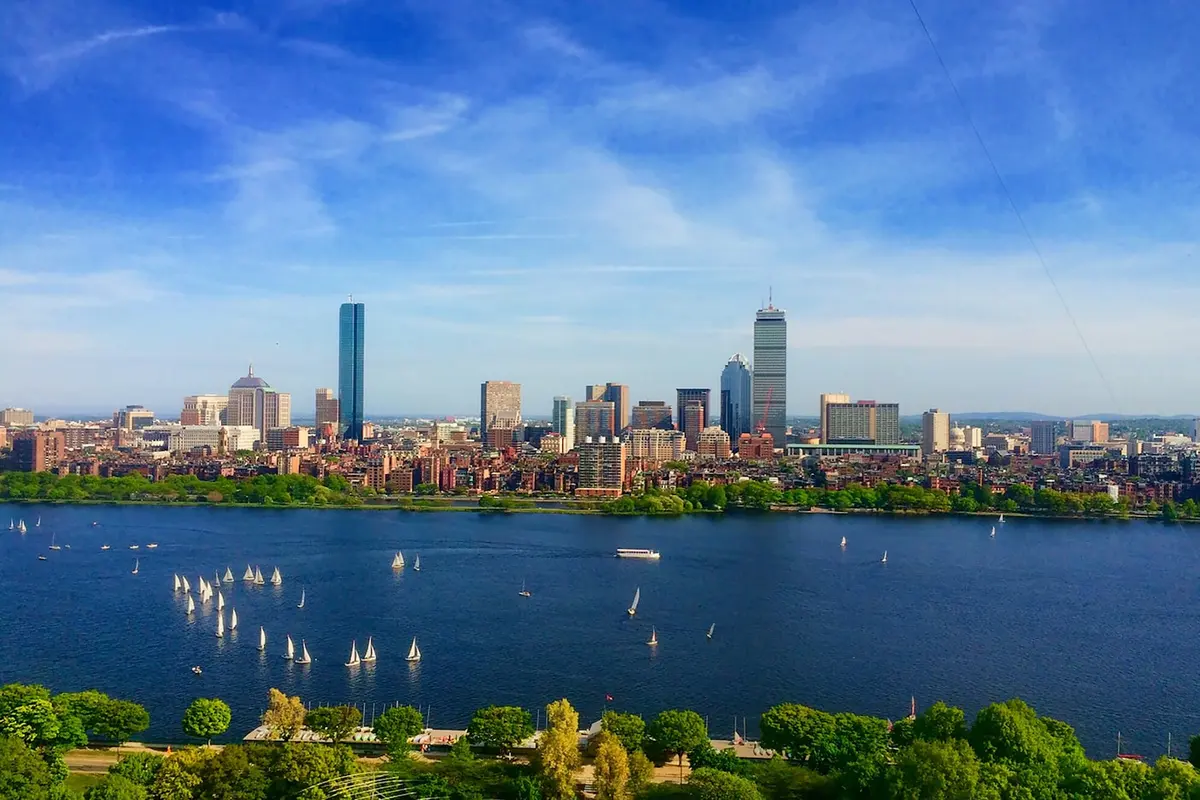
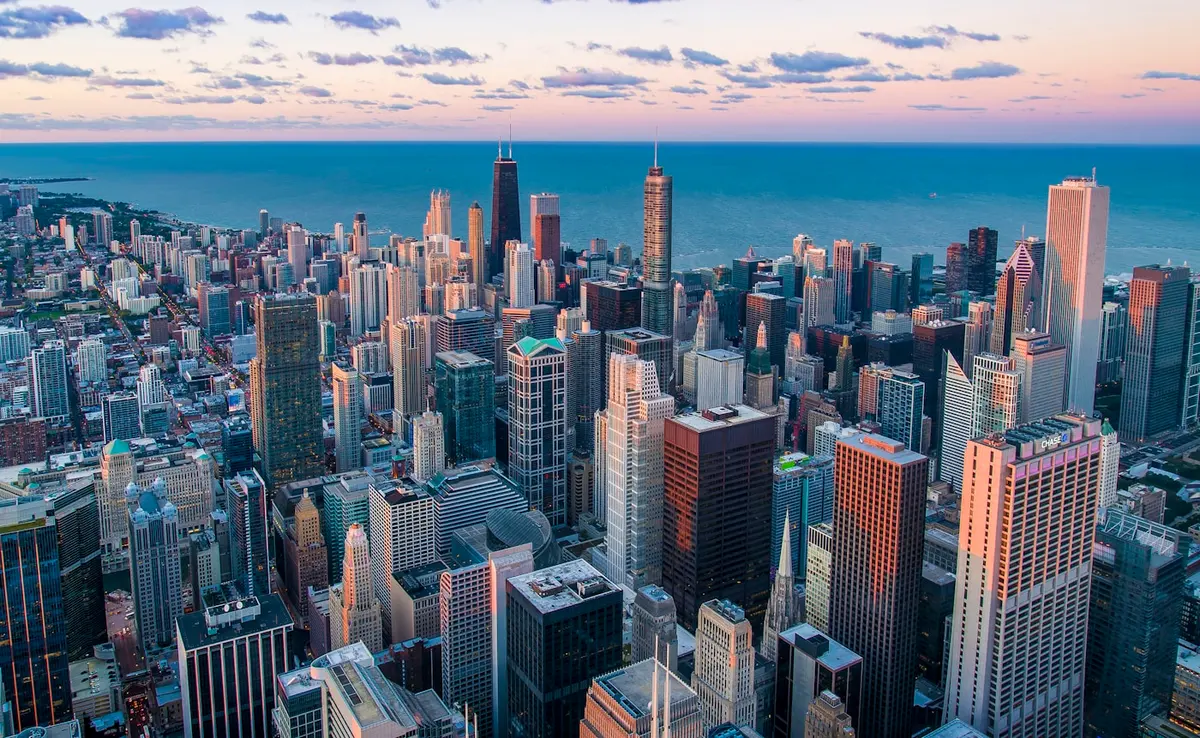
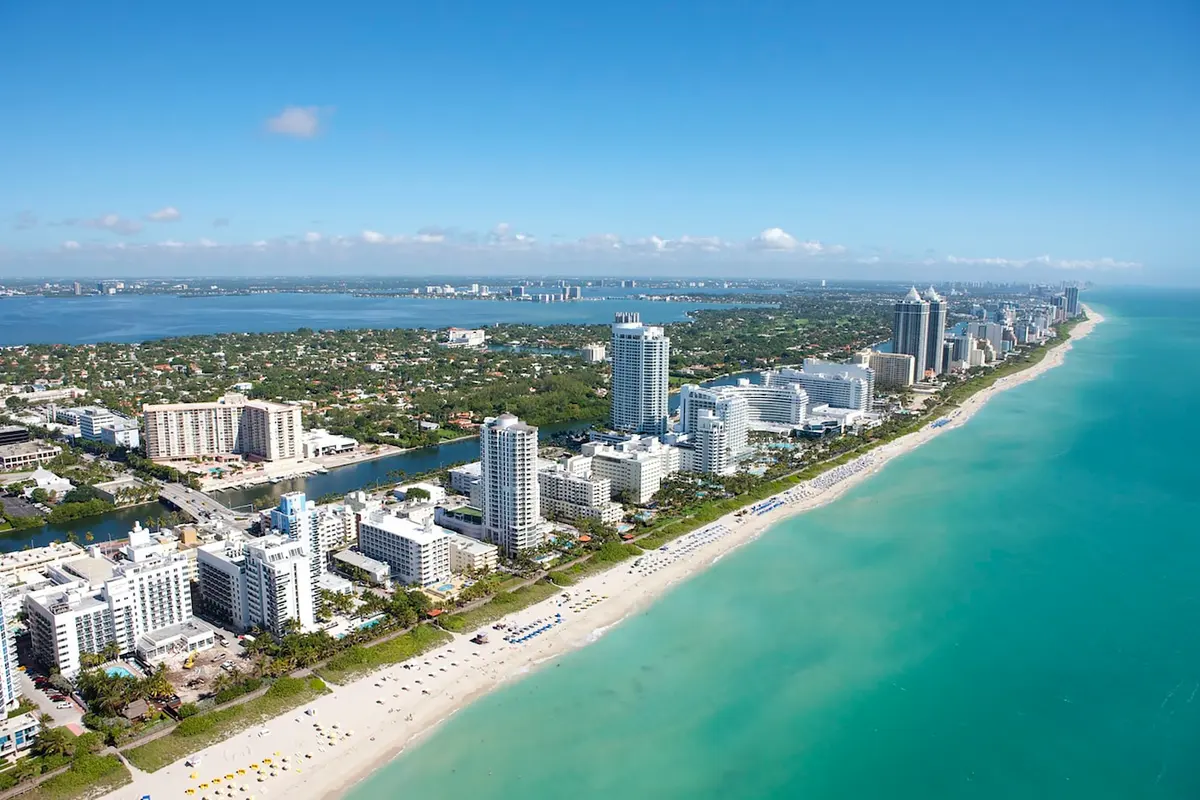
Major cities in United States
United States has several cities with strong institutions, different living costs and student communities.



Programs in United States
View all →Loading programs…
FAQs about studying in United States
Costs depend on program and institution. Typical monthly living costs: housing $1,000 – $2,500/month, food $400 – $700/month, transport $100 – $200/month, extras $300 – $500/month. ApplySite helps you find options within your budget.
Language requirements depend on the program. Language courses often start from beginner level. Degree programs may require IELTS, TOEFL or equivalent scores.
Up to 20 hours/week on campus while studying Part-time work can offset living costs and build international experience.
Processing often takes 4–12 weeks depending on nationality and season. Start early. ApplySite can outline timelines for your case.
No. Searching, comparing and applying through ApplySite is free for students. We connect you directly with institutions — no agency commission.
Information subject to change
Visa rules, costs, work rights and study conditions can change. Last reviewed May 2026. Confirm with official sources or an ApplySite advisor. Figures are indicative only.